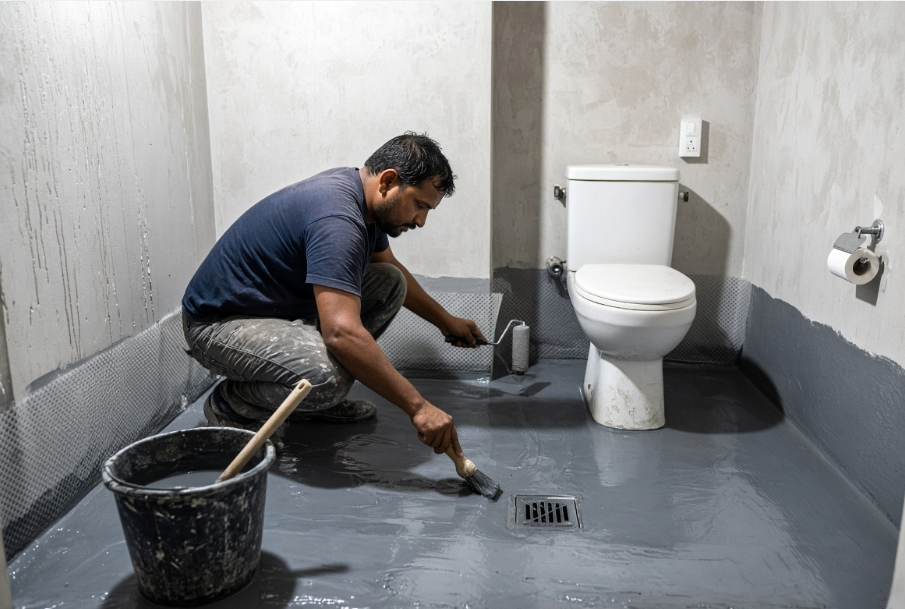
Introduction : Bathroom Waterproofing: Sunk Slab Leakage Causes, Methods and Repair Costs in Pune (2026)
Bathroom leakage is a common problem in apartments and residential buildings. Water seeping through the bathroom floor can cause damp patches, peeling paint, damaged plaster, and ceiling stains in the room below.
In many homes, the problem originates from damaged plumbing, failed waterproofing, poorly sealed pipe joints, or inadequate treatment around floor drains.
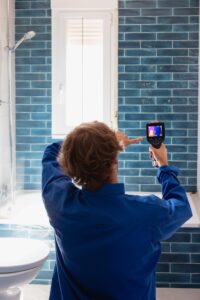
Bathroom waterproofing is most effective when the actual source of leakage is identified before repairs begin. Applying a coating or sealant without addressing the underlying problem may only provide temporary relief.
In this guide, Design Within explains the causes of sunk slab leakage, suitable waterproofing methods, and the factors affecting repair costs in Pune.
1. What Is Sunk Slab Waterproofing?
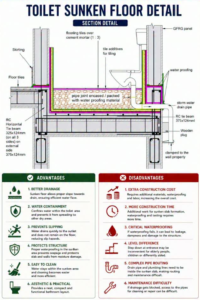
A sunk slab is a section of a bathroom floor constructed lower than the adjoining floor level to accommodate plumbing and drainage arrangements.
This concealed area can be vulnerable to leakage if the waterproofing layer, pipe connections, or floor-drain details fail.
Proper sunk slab waterproofing generally involves preparing the substrate, treating vulnerable junctions, applying a compatible waterproofing system, and testing it before the bathroom finishes are installed.
In an existing bathroom, the repair method depends on whether the leakage comes from the waterproofing layer, concealed plumbing, or another source.
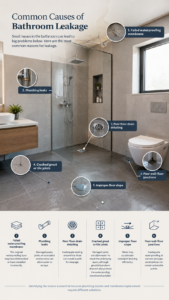
2. Common Causes of Bathroom Leakage
The most common causes include:
- Failed waterproofing membrane: The original waterproofing layer may have deteriorated or been installed incorrectly.
- Plumbing leaks: Damaged pipes, joints, or concealed connections can allow water to escape.
- Poor floor-drain detailing: Inadequate sealing around the drain can create a path for seepage.
- Cracked grout or tile joints: Damaged joints can allow water to reach the underlying layers, although grout failure alone does not always mean the waterproofing membrane has failed.
- Improper floor slope: Water may accumulate instead of draining efficiently.
- Poor wall-floor junctions: Inadequate waterproofing at corners and pipe penetrations can create vulnerable points.
Identifying the source is essential because plumbing repairs and membrane replacement require different solutions.
3. Bathroom Waterproofing Methods
The right method depends on the bathroom’s condition and whether the work is part of a new installation or a repair.
Cementitious Waterproofing
Cement-based waterproofing systems are commonly used on suitable bathroom substrates before tiling. Correct surface preparation, corner treatment, curing, and compatibility with tile adhesives are important.
Liquid-Applied Waterproofing Membranes
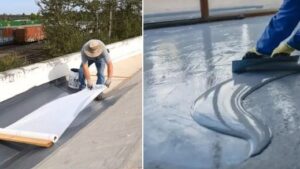
These products form a continuous waterproofing layer when applied according to the manufacturer’s instructions. The specified thickness, reinforcement, drying time, and treatment around pipes and drains must be followed.
Injection Grouting
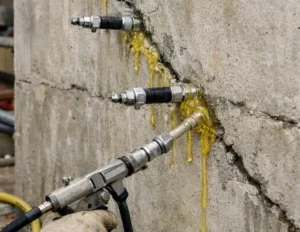
Injection grouting may help seal certain cracks or water pathways in appropriate situations. However, it is not a universal substitute for repairing failed bathroom waterproofing or defective plumbing.
Complete Bathroom Re-Waterproofing
If the original membrane has failed extensively, removing the tiles and rebuilding the waterproofing system may be necessary. This involves more work but may be appropriate when localised repairs cannot reliably address the problem.
4. Bathroom Waterproofing Cost in Pune (2026)
The cost depends on the bathroom’s size, existing condition, selected materials, labour, and extent of demolition or plumbing repairs.
For preliminary budgeting, the following are illustrative estimates, not verified current Pune market rates.
| Type of Work | Indicative Budget |
|---|---|
| Basic waterproofing application on a prepared surface | ₹30–₹70 per sq. ft. |
| More involved liquid membrane systems | ₹40–₹100+ per sq. ft. |
| Tile removal and complete bathroom re-waterproofing | Project-specific; obtain an itemised quotation |
| Plumbing repairs, drain modifications and tile replacement | Additional, depending on the work required |
These figures may exclude demolition, debris disposal, plumbing, tile replacement, protective screed, taxes, and other civil work. Confirm exactly what each contractor includes.
Example: If a prepared bathroom surface measures 100 sq. ft. and the assumed application rate is ₹50 per sq. ft., the base waterproofing estimate is ₹5,000. This does not represent the total cost of renovating or repairing a leaking bathroom.
5. Bathroom Waterproofing Before Tiling: Important Checks
If you are constructing a new bathroom or renovating an existing one, ensure that the following steps are included:
- Prepare and clean the substrate properly.
- Repair cracks and defective joints using suitable materials.
- Treat wall-floor junctions, pipe penetrations, and drain outlets.
- Apply the specified waterproofing system in the required coats and thickness.
- Allow the system to cure as directed.
- Conduct the appropriate water ponding test before tiling, where specified.
- Check drainage and ensure that subsequent tiling does not damage the membrane.
Photographs of the completed waterproofing work can also be useful for future maintenance and documentation.
6. How to Prevent Bathroom Leakage
A few practical precautions can reduce the risk of recurring problems:
- Use a waterproofing system designed for the specific substrate and application.
- Ensure that concealed plumbing is checked before closing the floor.
- Pay attention to drain outlets, corners, and pipe penetrations.
- Avoid puncturing the waterproofing membrane during tiling or later installations.
- Repair plumbing leaks promptly.
- Investigate recurring damp patches instead of simply repainting the ceiling below.
- Keep records of the products used and any applicable warranty.
If the ceiling below your bathroom is already damp, have the plumbing and waterproofing inspected before deciding whether tiles need to be removed.
Conclusion
Sunk slab leakage can lead to repeated repairs if the underlying cause is not identified correctly. Effective bathroom waterproofing requires suitable materials, proper detailing, and appropriate testing before the finished tiles are installed.
For homeowners planning a bathroom renovation in Pune, understanding the waterproofing scope before work begins can help avoid unexpected costs and preventable damage.
At Design Within, we believe that good renovation planning includes attention to concealed construction details as well as the final appearance of a space. Addressing waterproofing early can help protect the finishes and improve the long-term performance of your bathroom.
At Design Within, we believe a beautiful interior should not only look good when it is completed — it should also perform well for years.
Before we dive into more details about designing your furniture, it might be helpful to estimate how much your interior design project could cost. Understanding your budget can help you make more informed decisions about what features to prioritize. To get a better idea, you can use our ‘interior design budget calculator’ budget calculator and start planning your dream home today.
Frequently Asked Questions
1. What is sunk slab leakage?
Sunk slab leakage occurs when water escapes from a lowered bathroom floor area through failed waterproofing, defective plumbing, or poorly sealed junctions.
2. What is the cost of bathroom waterproofing in Pune?
The cost depends on the area, waterproofing system, surface preparation, and whether demolition or plumbing repairs are needed. Obtain a current, itemised quotation for an accurate estimate.
3. Can bathroom leakage be fixed without removing tiles?
Sometimes, if the issue is limited to an accessible plumbing connection or a localised tile joint. If the waterproofing membrane has failed beneath the tiles, more extensive repairs may be necessary.
4. How long does bathroom waterproofing take?
The duration depends on the system, preparation, curing requirements, testing, and any additional civil work. Follow the manufacturer’s instructions rather than rushing the process.
5. Is waterproofing necessary before bathroom tiling?
Yes. A suitable waterproofing system helps protect the underlying structure from water ingress. It should be installed, cured, and tested as required before tiling begins.
6. Why is water leaking from the bathroom ceiling below?
Possible causes include plumbing leaks, failed waterproofing, defective drain connections, tile grout joint failure and leakage around pipe penetrations. Proper diagnosis is needed to identify the source.
Website: https://designwithin.in/
Suggested CTA: Planning a bathroom renovation in Pune? Contact Design Within to discuss your renovation requirements and plan the details before work begins.
Disclaimer: All cost figures are illustrative budgeting estimates, not confirmed current market rates. Actual prices vary with site conditions, materials, labour, taxes, and project scope. Waterproofing work should follow the selected product’s technical instructions and an appropriate site assessment.