Introduction:Wallpaper vs. Texture Paint: An Honest Cost and Durability Comparison for Indian Living Room Accent Walls
A beautifully designed accent wall can transform the entire appearance of your living room. But when choosing between wallpaper and texture paint, many homeowners face a common dilemma: Which option looks better, costs less, and lasts longer?
Both finishes can create a premium look, but their cost, maintenance, application, and design possibilities differ. In this guide, we compare wallpaper and texture paint to help you choose the right finish for your home.
1. Wallpaper vs. Texture Paint: What’s the Difference?
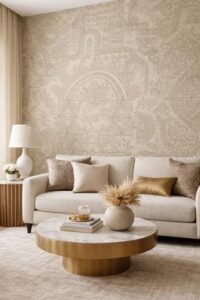
Wallpaper is a decorative wall covering available in floral prints, geometric patterns, abstract designs, and fabric-inspired finishes. It is ideal when you want a distinctive feature wall without relying on hand-created patterns.
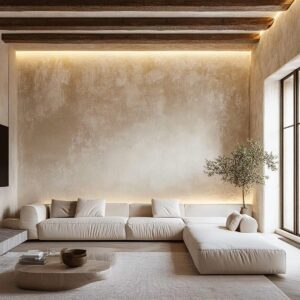
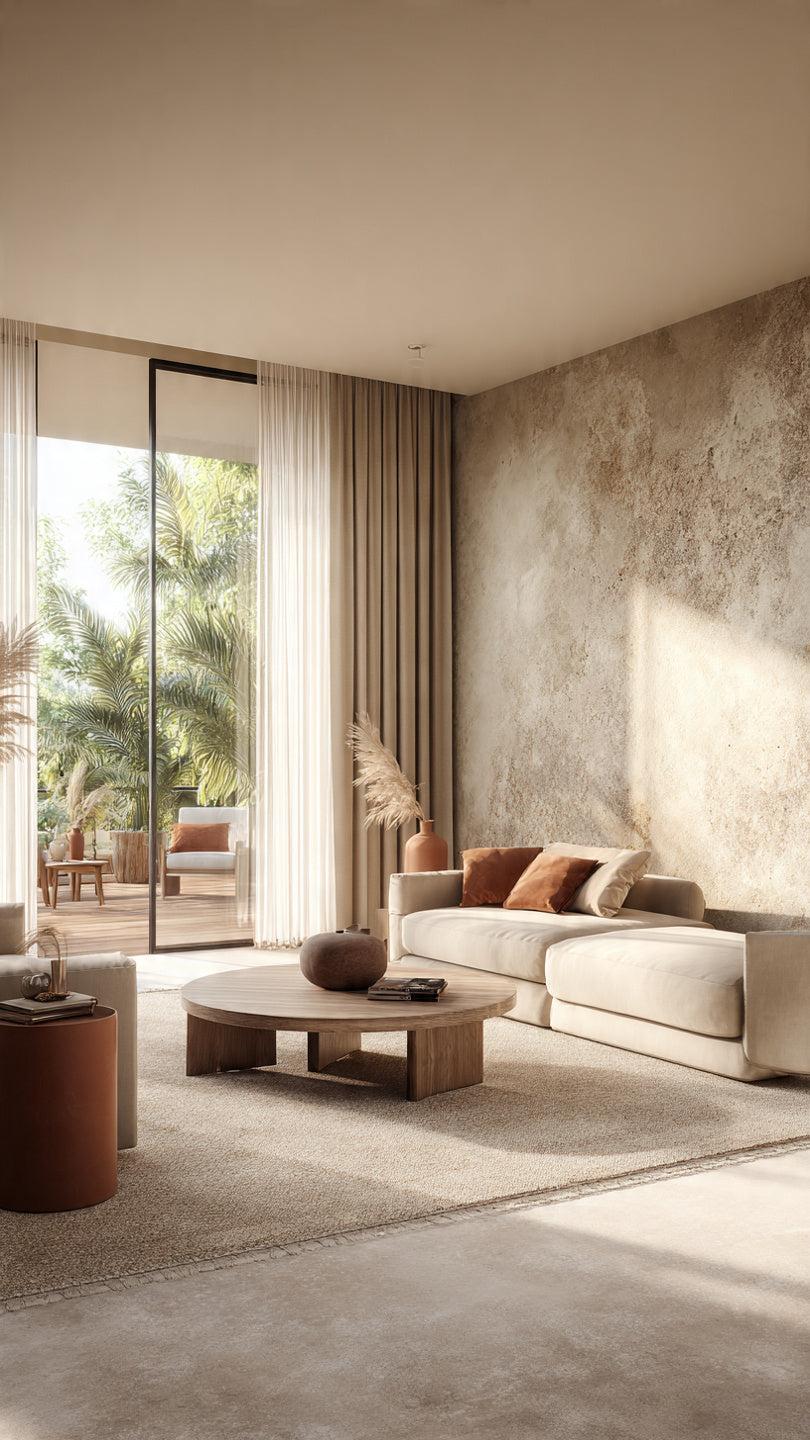
Texture paint creates depth and character through decorative finishes such as sand, concrete, stone, metallic effects, and subtle handcrafted patterns. Unlike conventional paint, it adds a tactile quality to the wall.
Wallpaper offers greater freedom for printed designs, while texture paint is often preferred for contemporary, understated interiors.
2. Wallpaper vs. Texture Paint: Cost Comparison in India
The cost depends on the brand, material, design complexity, wall condition, and installation charges. The following are indicative budgeting ranges, not fixed market rates.
| Cost factor | Wallpaper | Texture paint |
|---|---|---|
| Indicative installed cost | ₹50–₹300+ per sq. ft. | ₹40–₹300+ per sq. ft. |
| Application | Skilled wallpaper installation | Skilled decorative application |
| Design options | Extensive printed patterns and finishes | Decorative textures and surface effects |
| Repair | Pattern matching may be difficult | Matching the original texture may be difficult |
| Maintenance | Depends on wallpaper material | Depends on the paint system and texture |
Premium designer wallpapers and specialised decorative finishes can exceed these ranges. Always confirm whether the quotation includes material, adhesive or primer, surface preparation, labour, and taxes.
Example: For a 100 sq. ft. accent wall, the indicative cost could be ₹5,000–₹30,000+ for wallpaper and ₹4,000–₹30,000+ for texture paint, using the ranges above.
These figures are illustrative calculations, not quotations. Compare equivalent-quality finishes before deciding which offers better value.
3. Which Is More Durable?
Both wallpaper and texture paint can last for several years when quality materials are installed correctly on properly prepared walls.
Wallpaper: Good-quality wallpaper can remain attractive for years in a dry living room. However, poor installation, damaged edges, direct moisture, or unsuitable adhesive can cause peeling and lifting. Replacing a damaged section can also be difficult if the original design is unavailable.
Texture paint: A well-applied decorative finish can also provide long-term performance. Certain finishes allow local repairs, although matching the original texture and colour may require an experienced applicator. Deep textures may collect dust and need careful cleaning.
The important point is that durability depends on the product, workmanship, wall condition, and maintenance—not simply whether you choose wallpaper or paint.
4. Which Is Better for Indian Homes?
Indian homes experience variations in temperature, humidity, and monsoon moisture. Therefore, the condition of the wall matters as much as the decorative finish.
Wallpaper can work beautifully in living rooms, bedrooms, and other dry interior spaces. Choose a suitable material and follow the manufacturer’s cleaning and installation recommendations.
Texture paint is also suitable for living rooms and feature walls, provided the selected product is intended for interior use and applied according to the manufacturer’s instructions.
Important: If your wall has dampness, seepage, efflorescence, or recurring paint peeling, resolve the underlying problem before applying either finish. Covering a moisture-affected wall can lead to finish failure and additional repair costs.
5. Which Finish Should You Choose for Your Living Room?
Choose wallpaper if you want:
-
Elegant floral, geometric, or abstract patterns.
-
A statement wall behind the sofa or TV unit.
-
A specific visual theme or fabric-inspired finish.
-
A detailed design that would be difficult to reproduce using paint.
Choose texture paint if you want:
-
A subtle, contemporary, or minimalist appearance.
-
Concrete, stone-inspired, sand, or metallic effects.
-
A decorative finish that complements furniture and architectural lighting.
-
A more understated feature wall without a prominent printed pattern.
For smaller apartments in Pune, consider the size of the wall, natural light, furniture placement, and colour palette. Light colours and fine textures can help maintain a spacious appearance, while busy patterns or heavy textures may make a compact room feel visually crowded.
6. What About Maintenance and Future Repairs?
Maintenance is often overlooked when selecting an accent-wall finish.
Wallpaper should be cleaned according to its material and manufacturer’s instructions. Some varieties are wipeable, while others require more delicate care. Avoid assuming that every wallpaper is washable.
Texture paint may need gentle dusting, particularly when the finish has deep grooves or raised patterns. Touch-ups can be possible, but differences in texture, sheen, or colour may remain visible.
Before finalising either option, ask your installer about cleaning methods, repair procedures, product availability, and the expected maintenance requirements.
7. The Design Within Recommendation
At Design Within, we believe that the right accent-wall finish should complement the complete interior—not just look attractive in a catalogue.
Before making your decision:
-
Compare the total installed cost of both options.
-
Request physical samples and examine them under your living room’s lighting.
-
Check the wall for dampness, cracks, or surface defects.
-
Consider how the finish will coordinate with your sofa, TV unit, flooring, and lighting.
-
Ask about maintenance, repairs, and the availability of matching materials.
Our verdict: Wallpaper is an excellent choice for distinctive patterns and detailed designs, while texture paint is ideal for adding depth and a refined, understated character. Neither is automatically cheaper or more durable. The best option depends on your budget, design preference, material quality, and installation.
Planning your living room interiors? Design Within can help you select wall finishes that balance aesthetics, functionality, and budget.
At Design Within, we believe a beautiful interior should not only look good when it is completed — it should also perform well for years.
Before we dive into more details about designing your furniture, it might be helpful to estimate how much your interior design project could cost. Understanding your budget can help you make more informed decisions about what features to prioritize. To get a better idea, you can use our ‘interior design budget calculator’ budget calculator and start planning your dream home today.
Frequently Asked Questions (FAQs)
1. Is wallpaper cheaper than texture paint?
It depends on the wallpaper material and the complexity of the texture finish. Standard wallpaper may cost less than premium decorative texture paint, while some designer wallpapers are considerably more expensive. Compare the complete installed cost before deciding.
2. Which is more durable: wallpaper or texture paint?
Both can last for several years with quality materials and proper installation. Their performance depends on wall preparation, workmanship, moisture exposure, and maintenance.
3. Is wallpaper suitable for Indian homes?
Yes. Wallpaper can work well in Indian living rooms and bedrooms, provided the wall is dry and the material is suitable for the room’s conditions. Select the product according to the manufacturer’s recommendations.
4. Can wallpaper be applied to a damp wall?
No. Resolve the source of dampness or seepage and allow the wall to dry appropriately before installation. Applying wallpaper over a moisture-affected surface can cause peeling, staining, and damage.
5. Can texture paint be repainted or repaired?
Yes, in many cases. However, the existing texture may need to be recreated, and achieving a seamless match can be difficult. The repair method depends on the original finish and the condition of the wall.
6. Which is better for a small living room?
Both can work well. Subtle wallpaper patterns and light-coloured, fine textures can help maintain a spacious appearance. Choose a finish that complements the room’s lighting, wall size, and furniture.
7. Which is better for a TV unit accent wall: wallpaper or texture paint?
Both are suitable. Wallpaper can introduce a distinctive pattern, while texture paint can add depth without competing with the TV unit. Consider the cabinetry, lighting, and overall interior design before choosing.
8. What should I check before selecting wallpaper or texture paint?
Compare the installed cost, material quality, wall condition, maintenance requirements, and sample appearance under actual lighting. Ask for a written quotation that clearly specifies material, labour, preparation, and any additional charges.