
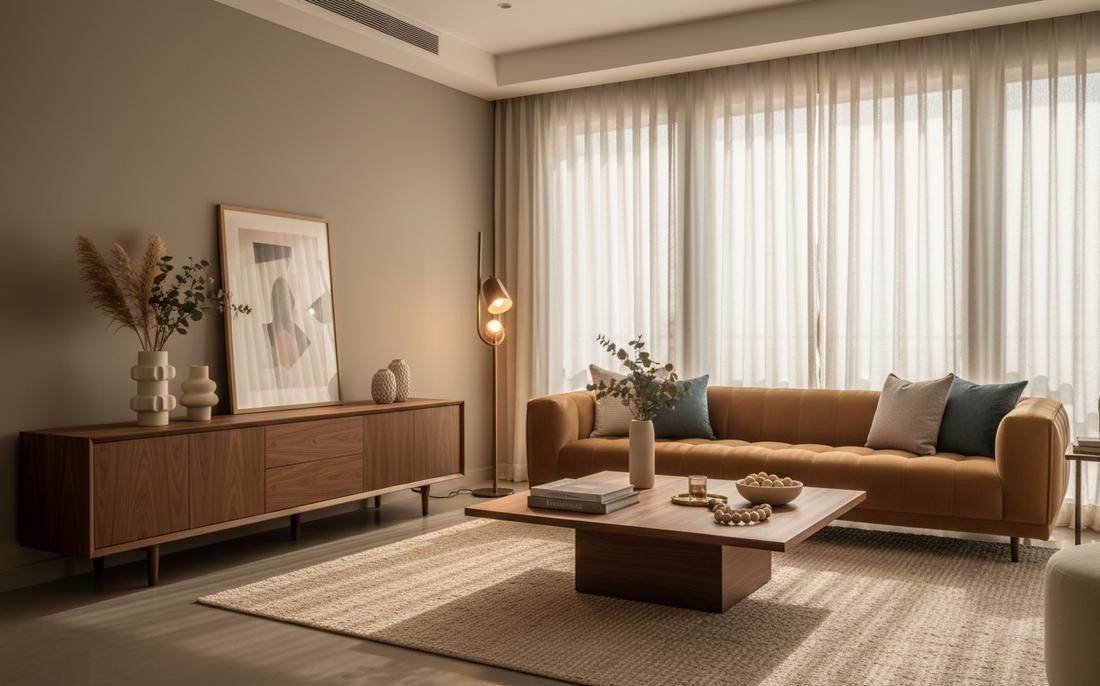
Introduction : Should You Choose Paint Colours or Furniture First? An Interior Designer’s Guide
Choosing paint colours or furniture first? If you are designing a new home, renovating your flat, or planning a living room makeover, this is one of the most important decisions to get right. Choosing the wrong order can make even expensive furniture look out of place, while the right sequence can create a beautiful, balanced and premium-looking home.
At Design Within, we believe that a well-designed home is not just about selecting beautiful colours or buying stylish furniture. It is about making every element work together — from flooring and wall colours to furniture, lighting, curtains and décor.
So, what should you choose first: paint colours or furniture?
The simple answer is to select your major fixed finishes and furniture first, then finalise your paint colours. However, the ideal order depends on whether you are designing a home from scratch or refreshing an existing space.
Let’s understand the right approach to creating a cohesive, stylish and timeless home interior.
1. Should You Choose Paint Colours or Furniture First?
In most interior design projects, it is better to select your major furniture pieces before finalising your wall paint colours.
Why? Because furniture upholstery, wood finishes, stone surfaces and decorative materials have specific colours and textures that may be difficult or expensive to change. Paint, on the other hand, is available in a vast range of shades and can usually be customised to complement your chosen materials.
Imagine selecting a beautiful beige sofa and then discovering that the grey paint you chose earlier makes the entire living room feel cold and disconnected. You may end up repainting the walls or compromising on your furniture.
Instead, select your important furniture pieces, identify the overall colour palette and choose wall colours that complement them.
Interior design tip: Do not rush to choose a wall colour simply because you love how it looks on a paint card. Think about the entire room before making your final decision.
2. The Correct Order for Choosing Colours, Furniture and Finishes
If you are planning a new home interior, follow this practical sequence to avoid unnecessary changes and expenses.
Step 1: Finalise the Flooring and Fixed Finishes
Begin with the elements that are expensive or difficult to replace.
These may include:
-
Flooring materials such as vitrified tiles, marble, granite or wooden flooring.
-
Kitchen cabinetry and wardrobe finishes.
-
Countertops and backsplash materials.
-
Bathroom tiles and sanitaryware finishes.
-
Fixed wall panels, wooden cladding and other architectural details.
These finishes establish the foundation of your home’s colour palette.
For example, warm beige flooring and walnut-finish furniture may work beautifully with creamy white walls. However, the same wall colour might look different alongside cool grey flooring and black furniture.
Step 2: Choose Your Main Furniture Pieces
Next, shortlist the major furniture items that define each room.
For your living room, consider:
-
Sofa colour and upholstery.
-
TV unit finish.
-
Coffee table material.
-
Dining table and chair finishes.
-
Rugs and statement furniture.
For your bedroom, consider:
-
Bed frame and headboard upholstery.
-
Wardrobe finish.
-
Bedside tables.
-
Dressing unit.
-
Curtains and soft furnishings.
You do not necessarily need to purchase every item before painting. You should, however, have a clear idea of the colours, materials and finishes you intend to use.
Step 3: Create a Cohesive Colour Palette
Once the flooring and major furniture choices are clear, decide on a coordinated colour palette.
A simple starting point is the 60-30-10 colour rule:
-
60% dominant colour: Usually the main wall colour or another dominant surface.
-
30% secondary colour: Furniture, curtains, cabinetry or other significant elements.
-
10% accent colour: Cushions, artwork, lamps and decorative accessories.
This is a flexible design guideline, not a strict formula. Your actual proportions will depend on the room, materials and desired atmosphere.
For example, a contemporary living room might combine warm off-white walls, walnut furniture and olive-green cushions to create a sophisticated, nature-inspired interior.
Step 4: Select the Right Wall Paint Colours
Now you can select paint colours that complement the flooring, furniture and overall design direction.
Some combinations worth exploring include:
-
Warm beige walls + walnut furniture: A timeless and welcoming look.
-
Warm white walls + light oak furniture: An airy, contemporary aesthetic.
-
Soft sage green walls + natural wood: A calm, nature-inspired atmosphere.
-
Greige walls + charcoal accents: A refined, modern interior.
-
Muted terracotta accents + cream walls: A warm, earthy and distinctive look.
These are starting points rather than universal rules. The best combination will depend on natural light, room size, existing finishes and your personal preferences.
Step 5: Test the Paint Before Finalising It
Never select a paint colour based only on a showroom display or a small colour card.
Paint shades can appear different depending on natural daylight, artificial lighting, wall orientation and surrounding materials.
Before painting the entire room:
-
Obtain sample shades of your shortlisted colours.
-
Apply them to sufficiently large sample boards or test areas.
-
Observe them in morning, afternoon and evening light.
-
Check how they look beside your flooring, sofa fabric and wood finishes.
-
Make your final selection only after comparing them in the actual space.
This simple step can help you avoid an expensive repainting mistake.
3. When Should You Choose Paint Colours First?
Although choosing furniture before finalising paint is generally a flexible approach, there are situations where the paint colour can lead the design.
When You Already Have a Clear Design Vision
If you have a specific colour scheme in mind, such as a soft sage-green bedroom or a dramatic deep-blue study, you can use that preference as the starting point for the room.
The furniture, curtains, artwork and lighting can then be selected to complement it.
When You Are Keeping Existing Furniture
If your sofa, bed, dining table or other furniture is staying, choose paint colours around those existing pieces.
For example, if you have a dark wooden bed and cream upholstery, you might explore warm white, muted beige or soft green wall colours.
When You Are Refreshing a Room on a Budget
A complete interior renovation may not be necessary to give your home a fresh look.
If you plan to retain your existing furniture, repainting the walls and updating smaller accessories can be a cost-effective way to transform the space.
The key is to work with what you already own rather than choosing a paint colour that forces you to replace everything else.
4. Trending Interior Colour Combinations for Indian Homes in 2026
If you are searching for modern home colour combinations, contemporary living room ideas or trending bedroom colours, consider these palettes as inspiration.
Warm Neutrals and Natural Wood
Cream, warm white, sand and beige continue to be versatile choices for homeowners who want a timeless interior.
Pair these shades with walnut, oak-inspired finishes, textured fabrics and warm lighting for a comfortable, premium appearance.
Sage Green and Earthy Tones
Muted sage, olive and botanical greens work well with natural wood, cream upholstery and understated décor.
They are particularly suitable for bedrooms, reading corners and living spaces where you want a relaxed atmosphere.
Terracotta and Soft Cream
Terracotta, clay and rust tones can add warmth and character without overwhelming a room.
Use them on a feature wall, selected accessories or upholstered furniture, balanced with lighter neutral surfaces.
Greige and Charcoal
Greige — a blend of grey and beige — can create a sophisticated base for contemporary interiors.
Combine it with charcoal accents, warm wood and layered lighting for a refined, understated look.
Important: Trends should inspire your choices, not dictate them. Choose colours that suit your home, natural lighting, existing finishes and lifestyle. A timeless palette that you love is often a better investment than a trendy colour you may tire of quickly.
5. Common Mistakes to Avoid When Choosing Paint and Furniture
Even beautiful individual elements can look disconnected when they are not planned together.
Avoid these common interior design mistakes:
Mistake 1: Choosing paint before considering the furniture
A wall colour may look attractive on its own but clash with the sofa, cabinetry or flooring you eventually select.
Mistake 2: Matching every element to the exact same colour
Your walls, furniture, curtains and flooring do not need to be identical. Contrasting tones and different textures can make a space more interesting.
Mistake 3: Ignoring natural light
A colour that looks bright in a well-lit showroom may feel dull or different in a room with limited daylight.
Mistake 4: Following trends without considering your home
A popular dark wall colour may look stunning in a spacious, well-lit room but feel overwhelming in a small room with limited natural light.
Mistake 5: Forgetting the flooring and fixed finishes
Your flooring, kitchen finishes, wardrobes and wall treatments are important parts of the overall palette. Ignoring them can lead to a visually inconsistent interior.
Mistake 6: Buying furniture without measuring the room
Even a beautiful sofa can make a small living room feel cramped if its proportions are unsuitable. Consider room dimensions, circulation space and furniture layout before purchasing.
6. A Real-World Example: Designing a Modern Pune Apartment
Imagine a homeowner planning the interiors of a new 2BHK apartment in Pune.
They initially want to paint the living room dark grey because they saw a beautiful design on Instagram.
However, after finalising the layout, they choose a beige sofa, walnut-finish TV unit, warm-toned flooring and sheer curtains that allow natural daylight into the room.
The original dark-grey paint may still work as an accent, but using it across every wall could make the overall scheme feel heavier than intended.
Instead, the homeowner considers warm off-white walls, a muted accent colour behind the TV unit and carefully selected décor.
The result can be a brighter, more cohesive and visually spacious living room without changing the main furniture choices.
The lesson is simple: do not choose each design element in isolation. Plan the room as a complete composition.
7. How Professional Interior Design Helps You Get the Order Right
Choosing paint colours and furniture may appear straightforward, but coordinating flooring, lighting, upholstery, wood finishes, wall treatments and room proportions requires careful planning.
A professional interior designer helps you create a consistent design direction before you commit to expensive materials and furniture.
At Design Within, the focus is on creating interiors that balance aesthetics, functionality and practical requirements. A coordinated approach can help homeowners make informed decisions, reduce avoidable changes and achieve a more polished final result.
Whether you are planning a new apartment, renovating your existing home or upgrading your living room, thoughtful design planning can make the entire process more manageable.
Final Thoughts: Paint Colours or Furniture First?
So, should you choose paint colours or furniture first?
For most new interior design projects, start by finalising the flooring and fixed finishes, shortlist your major furniture pieces, develop a cohesive colour palette and then select your wall paint.
If you already own furniture or have a strong colour vision, you can adapt the sequence to suit your situation.
The goal is not to follow a rigid rule. It is to make sure that every element works together to create a home that feels balanced, functional and personal.
Planning your home interiors in Pune? Design Within can help you make informed choices about colours, furniture, materials and finishes to create a cohesive home interior.
At Design Within, we believe a beautiful interior should not only look good when it is completed — it should also perform well for years.
Before we dive into more details about designing your furniture, it might be helpful to estimate how much your interior design project could cost. Understanding your budget can help you make more informed decisions about what features to prioritize. To get a better idea, you can use our ‘interior design budget calculator’ budget calculator and start planning your dream home today.
Plan your interiors thoughtfully. Make every design decision count.
Frequently Asked Questions (FAQs)
1. Should I choose paint colours or furniture first?
In most new interior design projects, choose the major furniture pieces and fixed finishes first, then finalise the paint colours. This gives you more flexibility when coordinating the entire room.
2. Should I paint my walls before buying furniture?
You can paint before purchasing furniture if you have a clear design plan and know which colours and materials you will use. However, finalising the paint after shortlisting major furniture pieces often makes coordination easier.
3. Which colour should I choose first when designing a home?
Start with the most difficult-to-change finishes, such as flooring, countertops and fixed cabinetry. Then shortlist the furniture and develop the overall colour palette before selecting the final wall paint.
4. What is the best wall colour for a modern Indian home?
Warm white, cream, beige and greige are versatile choices for many Indian homes. Muted sage, olive, terracotta and deeper accent shades can add character when balanced with the room’s lighting and materials.
5. How do I match wall colours with my sofa?
Consider the sofa’s upholstery colour, undertone and texture. Neutral sofas pair well with many wall colours, while bold upholstery may work best with a complementary neutral or a carefully coordinated accent shade. Always test paint samples beside the actual fabric.
6. Which paint colours make a small living room look bigger?
Light, relatively high-reflectance colours such as warm white and soft cream can help a small living room feel brighter. However, lighting, furniture scale, visual clutter and layout also influence how spacious the room appears.
7. Should the wall colour match the flooring?
The wall colour does not need to match the flooring exactly. Instead, aim for complementary undertones and a balanced contrast between the two surfaces.
8. How can I choose the right paint colour for my home?
Consider the room’s natural light, orientation, flooring, furniture, preferred atmosphere and artificial lighting. Test shortlisted shades in the actual space at different times of day before making the final decision.
9. What is the 60-30-10 rule in interior design?
It is a colour-balancing guideline in which approximately 60% of a room uses a dominant colour, 30% a secondary colour and 10% an accent colour. It can help create a coordinated palette, although the proportions can be adjusted to suit the design.
10. Can an interior designer help me choose furniture and paint colours?
Yes. An interior designer can help coordinate furniture, wall colours, flooring, lighting and finishes so that the individual elements work together. This is particularly useful when designing a new apartment or planning a complete home renovation.