Introduction
Walls occupy a large visual area of any home, so the right wall finish can significantly change the character of an interior.
Instead of relying only on paint, homeowners can use wall panelling, textured finishes, wood-look surfaces, stone, fluted panels and other decorative treatments to add depth and personality.
However, the right wall finish depends on more than appearance. Durability, maintenance, moisture, budget and the location of the wall should also influence the decision.
What Is Wall Panelling?
Wall panelling involves covering part or all of a wall with a decorative or functional panel system.
Common options include:
- MDF or engineered-board panels
- Veneer panels
- Fluted panels
- PVC panels
- WPC panels
- Wood panels
- Decorative laminate panels
- Stone or stone-look panels
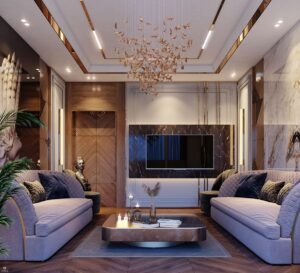
Panelling can be used to create a feature wall, frame a TV unit, highlight a bed backdrop or add architectural detailing.
Popular Textured Wall Finishes
Textured finishes can add visual and tactile interest without necessarily using full-height panels.
Popular options include:
1. Fluted Panels
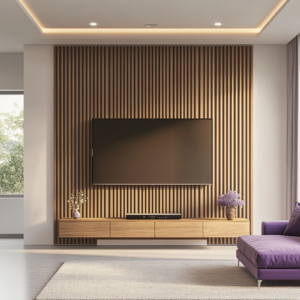
Fluted surfaces create repeated vertical lines and are popular in contemporary interiors.
They work particularly well for:
- TV walls
- Bedroom backdrops
- Entrance areas
- Partitions
2. Wood and Veneer Finishes
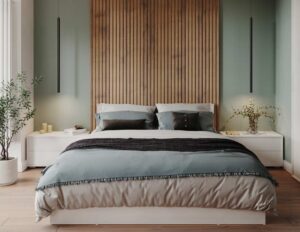
Wood and veneer provide warmth and natural character.
They can work particularly well in modern, contemporary and minimalist interiors.
3. Stone and Stone-Look Finishes
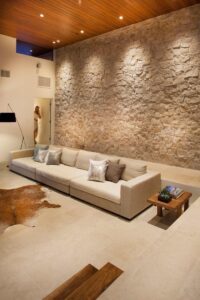
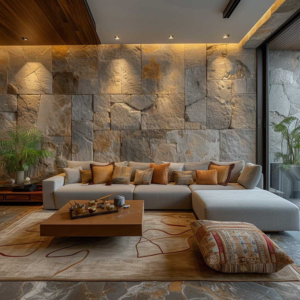
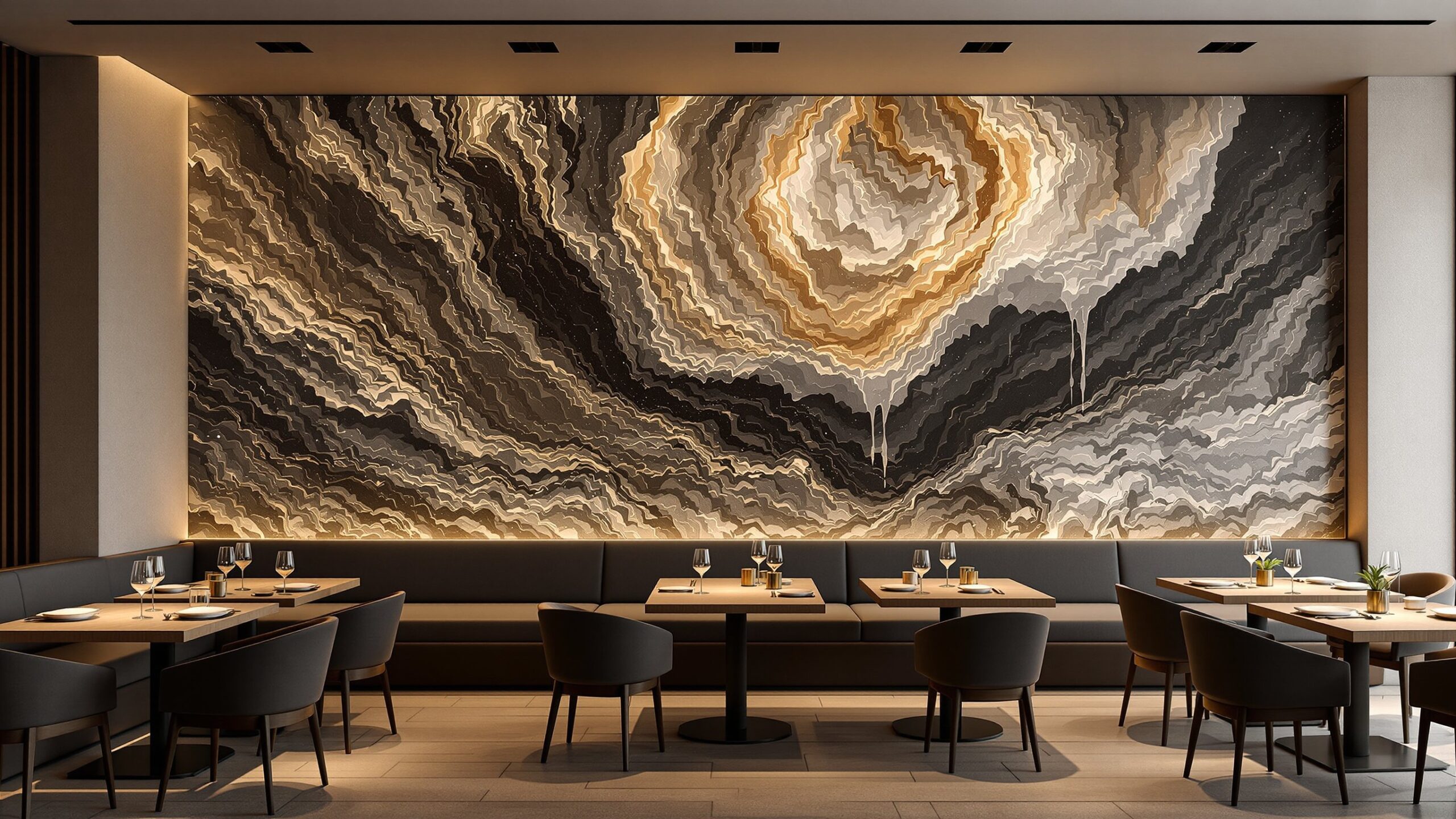
Natural stone, engineered surfaces and stone-look products can create a premium feature wall.
They are commonly used behind:
- TV units
- Sofas
- Beds
- Dining areas
4. Decorative Plaster and Paint Textures
Textured paints and decorative plaster can create subtle or dramatic surfaces without adding bulky panels.
They are useful when you want texture while maintaining a relatively seamless appearance.
5. Fabric or Upholstered Panels
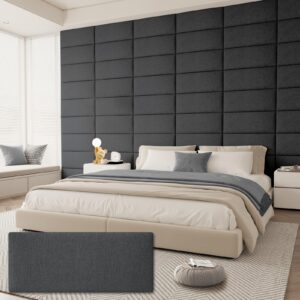
Fabric panels can add softness and visual warmth and can be particularly effective for bedroom headboards or selected acoustic applications.
Where Can Wall Panelling Be Used?
Living Room
A feature wall behind the TV or sofa can become the visual focal point.
Bedroom
Wall panelling can create a strong backdrop behind the bed and help define the sleeping area.
Dining Area
Textured or fluted panels can add character to an otherwise plain dining wall.
Entrance
A combination of panelling, lighting and storage can create a more finished entrance experience.
Home Office
Wood textures and subtle wall finishes can provide a sophisticated background without being overly distracting.
Benefits of Wall Panelling
Adds Depth and Character
Panelling can make a plain wall more visually interesting.
Creates a Focal Point
A feature wall can help direct attention towards important areas such as the TV unit or bed.
Conceals Imperfections
Certain panel systems can help cover minor surface irregularities, depending on the installation method.
Provides Design Flexibility
Different materials, colours, patterns and profiles allow wall treatments to work with almost any interior style.
Can Conceal Services
When properly planned, wall panelling can sometimes accommodate or conceal wiring and other services.
Things to Consider Before Installing Wall Panelling
Moisture
Not every panel is suitable for damp areas. Kitchens, bathrooms and moisture-prone walls require materials specifically appropriate for those conditions.
Maintenance
Deep grooves and textured surfaces can collect dust and may require more cleaning than a smooth painted wall.
Thickness
Panelling can reduce usable room dimensions slightly, particularly when installed over battens or service cavities.
Electrical Points
Switches, sockets, TV connections and other services should be planned before installation.
Installation Quality
Poor alignment, visible joints and inaccurate finishing can make an expensive wall treatment look cheap.
How to Choose the Right Wall Finish
Consider these five factors before finalizing the design:
1. Location – Is it a bedroom, living room, kitchen or moisture-prone area?
2. Style – Does it complement the rest of the interior?
3. Maintenance – How easy is it to clean?
4. Durability – Can it handle the expected wear and environmental conditions?
5. Budget – Consider both material and installation costs.
Don’t select a wall finish purely because it looks good in a reference photograph. The material needs to work in the actual room.
Common Wall Panelling Mistakes
- Using too many different wall finishes in one room
- Ignoring electrical and TV points
- Choosing moisture-sensitive materials for unsuitable locations
- Creating excessive visual patterns
- Making every wall a feature wall
- Ignoring cleaning requirements
- Poorly finished joints and corners
- Installing panels without considering furniture placement
A feature wall works best when it has a clear design purpose.
Wall Panelling Checklist
Before finalizing your wall treatment, check:
- Wall location and moisture exposure
- Material suitability
- Overall interior style
- Panel thickness
- Electrical points
- TV and wiring requirements
- Lighting integration
- Maintenance
- Installation quality
- Budget
- Furniture placement
Final Thoughts
Wall panelling and textured wall finishes can transform an ordinary wall into an important design element.
But good wall design is not about adding texture everywhere.
Choose the finish according to the room, material performance, maintenance requirements, interior style and budget.
A well-designed feature wall should complement the furniture and architecture rather than compete with them.
The best wall finish is not the most elaborate one—it is the one that fits the space and continues to look good over time.
At Design Within, we believe a beautiful interior should not only look good when it is completed — it should also perform well for years.
Before we dive into more details about designing your furniture, it might be helpful to estimate how much your interior design project could cost. Understanding your budget can help you make more informed decisions about what features to prioritize. To get a better idea, you can use our ‘interior design budget calculator’ budget calculator and start planning your dream home today.
Frequently Asked Questions
1. Is wall panelling suitable for Indian homes?
Yes. Wall panelling can work well in Indian homes, provided the material is selected according to the room, climate, moisture exposure and maintenance requirements.
2. Which wall panelling is best for a living room?
There is no single best option. Fluted panels, veneer, laminate, wood-look panels and textured finishes can all work depending on the interior style and budget.
3. Is wall panelling suitable for bedrooms?
Yes. It is particularly popular as a bed backdrop or feature wall. Wood, veneer, fluted and upholstered panels can create warmth and visual depth.
4. Can wall panelling be used in bathrooms?
Only materials specifically suitable for moisture-prone environments should be considered. Standard interior wall panels may not be appropriate for areas exposed to persistent moisture.
5. Is textured paint better than wall panelling?
Neither is universally better. Textured paint can provide a more seamless finish, while panelling offers greater dimensional detail and material variety. The choice depends on the desired appearance, maintenance and budget.
6. Does wall panelling require more maintenance than paint?
It depends on the material and design. Deep grooves, fluting and heavily textured surfaces can collect more dust than smooth painted walls.
7. Can wall panelling hide electrical wires?
It can sometimes provide space for concealing wiring, but electrical requirements should be planned before the panelling is installed.
8. Does wall panelling make a room smaller?
It can slightly reduce the usable dimensions depending on the thickness and installation method. This is particularly important in compact rooms.
9. How do I choose a wall texture for my home?
Consider the room’s function, lighting, furniture, overall design style, maintenance requirements and the amount of visual detail already present.
10. Should every wall have panelling?
No. Using panelling selectively usually creates a stronger design impact. One well-planned feature wall can be more effective than covering every wall.