Introduction : Exterior Wall Waterproofing Cost in Pune (2026): Methods, Rates and Solutions
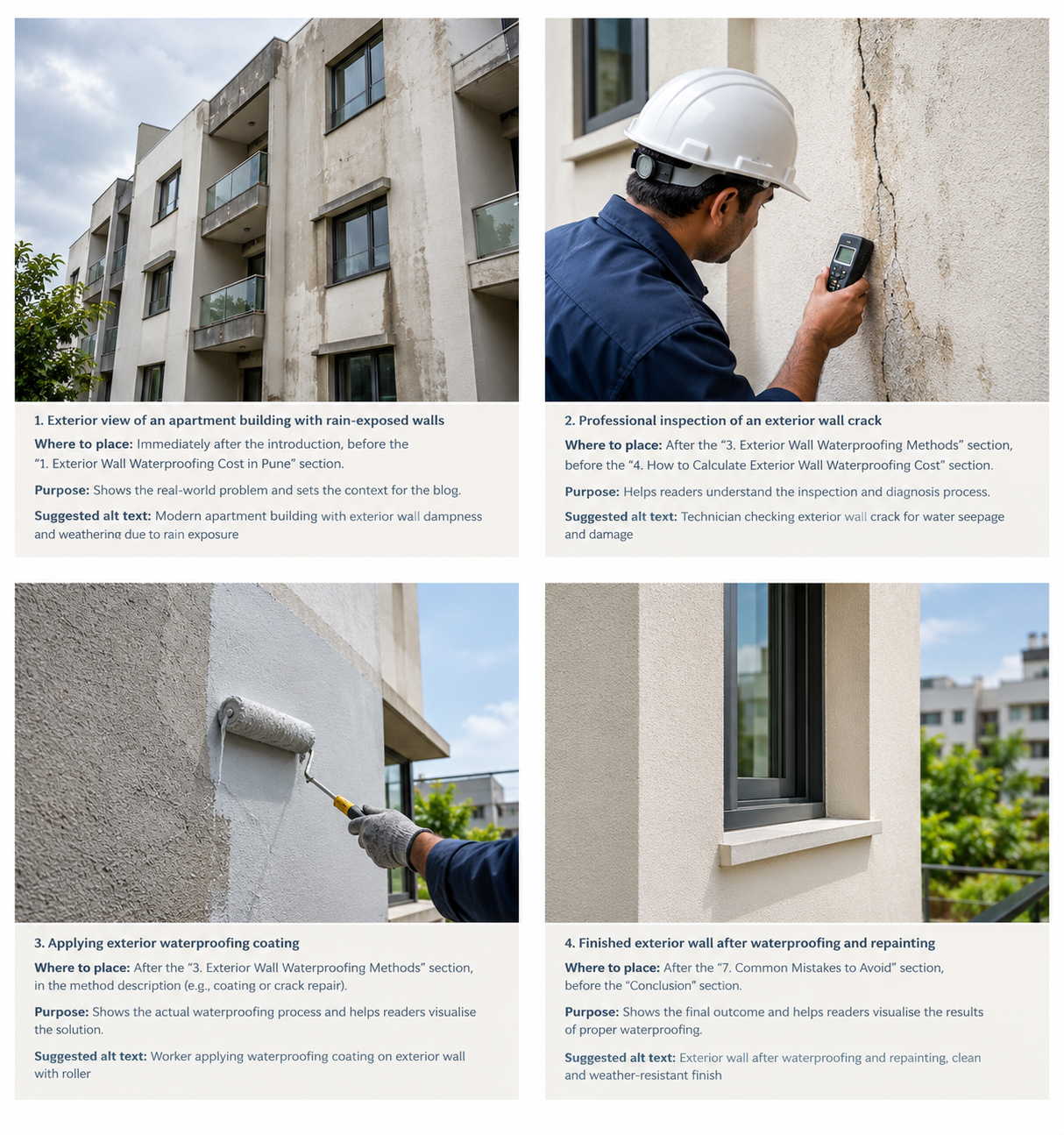
Rainwater entering through exterior walls can cause damp patches, peeling paint, blistering plaster and unpleasant odours inside a home. In Pune, seasonal monsoon rain can expose cracks, failed sealants and deteriorated exterior coatings, particularly in older buildings.
If you are planning repairs, understanding the exterior wall waterproofing cost in Pune can help you estimate your budget and choose a suitable solution.
1. Exterior Wall Waterproofing Cost in Pune
The cost depends on the condition of the wall, the type of treatment, accessibility and the amount of surface preparation required.
The following are broad indicative budgeting ranges, not verified live October 2026 quotations.
| Type of work | Indicative cost |
|---|---|
| Exterior waterproofing coating | ₹30–₹80/sq. ft. |
| Crack filling and local repairs | ₹15–₹50/sq. ft. of treated area |
| Exterior plaster repair and waterproofing | ₹50–₹150/sq. ft. |
| High-rise exterior wall work | May cost more due to access and safety requirements |
These ranges are not directly interchangeable. Crack repairs may be priced by the running metre or as a separate lump sum, while scaffolding, rope access, taxes, extensive plaster replacement and repainting may be excluded.
Always request an itemised quotation after a site inspection.
2. Common Causes of Exterior Wall Leakage
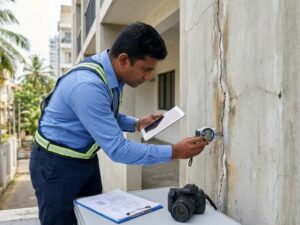
Cracks in plaster or masonry
Fine cracks can allow rainwater to penetrate the wall. Wider or recurring cracks may indicate movement or another underlying issue that needs assessment before filling.
Deteriorated exterior paint
Exterior paint that has become chalky, blistered or detached may no longer provide adequate weather protection. However, repainting alone will not resolve every leakage problem.
Gaps around windows
Poorly sealed window frames, sill junctions and service penetrations can allow water to enter even when the surrounding wall appears intact.
Failed construction joints
Junctions between different materials, adjoining structures or building elements may develop gaps over time. These locations often require suitable joint detailing rather than a general coating alone.
Water entering from terraces or balconies
Sometimes an interior damp patch near an exterior wall originates from a terrace, balcony, parapet or poorly sealed slab junction. The visible patch may not identify the true source.
3. Exterior Wall Waterproofing Methods
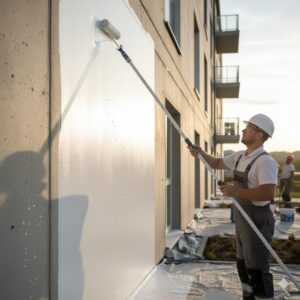
Method 1: Waterproof exterior coating
A suitable exterior-grade coating can help reduce rainwater penetration when the underlying wall is sound and properly prepared. Product selection should account for exposure, breathability, substrate compatibility and crack-bridging requirements.
Suitable for: Walls with weathered coatings and minor surface deterioration, provided deeper defects have been addressed.
Method 2: Crack repair and sealing
Cracks should be assessed, cleaned and repaired using a compatible material. Window perimeters and movement joints may require flexible sealants designed for the specific joint.
Suitable for: Localised leakage associated with identifiable cracks or gaps.
Method 3: Plaster repair and waterproofing
Where plaster is hollow, loose or badly damaged, affected sections may need removal and reinstatement before a suitable protective coating is applied.
Suitable for: Walls with deteriorated plaster, repeated peeling or significant surface damage.
Method 4: Window and junction treatment
Water entry can occur around window frames, sills, balcony edges and service penetrations. Correcting these details may be more effective than coating the entire wall without investigating the source.
Suitable for: Localised leakage near openings and junctions.
The best solution depends on the cause of water entry. A single product or coating cannot reliably solve every exterior-wall leakage problem.
4. How to Calculate Exterior Wall Waterproofing Cost
A preliminary estimate can be calculated using:
Estimated cost = Measured wall area × Applicable rate + additional repairs and access costs
For example, if the treatable wall area is 1,000 sq. ft. and a contractor quotes ₹50 per sq. ft. for the specified coating work, the basic amount is ₹50,000.
This example excludes any work not explicitly included in that rate. Crack repairs, plaster replacement, scaffolding, window sealing, taxes and repainting could increase the final amount.
Also confirm how the contractor measures the wall area, including whether openings such as windows are deducted.
5. Factors That Affect the Final Cost
-
Wall condition: Loose plaster, deep cracks and extensive deterioration require more preparation.
-
Building height: Multi-storey buildings may need scaffolding, rope access or specialised safety arrangements.
-
Product specification: Coating type, number of coats and required coverage affect material consumption.
-
Surface preparation: Cleaning, scraping, crack filling and plaster repairs add labour and material costs.
-
Extent of treatment: Repairing a small affected section differs from treating an entire elevation.
-
Restoration requirements: Repainting, plaster reinstatement and interior repairs may be separate.
-
Source of leakage: A terrace or plumbing problem may need correction in addition to exterior wall treatment.
6. How to Identify the Source of Dampness Before Repairs
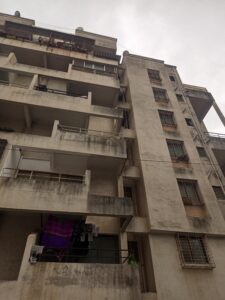
Do not assume that every damp patch on an internal wall is caused by rainwater entering through the exterior wall.
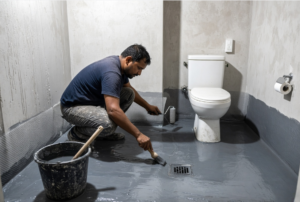
A professional inspection should consider the location and pattern of dampness, recent rainfall, nearby plumbing, window junctions, terraces and adjoining bathrooms.
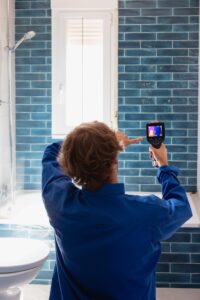
Where the source remains unclear, a trained professional may use a moisture meter, thermal imaging and appropriate plumbing tests to narrow down the likely problem area. Thermal imaging identifies temperature patterns that may be associated with moisture; it does not independently guarantee the exact source of leakage.
Correct diagnosis helps prevent unnecessary coating work or repeated painting that fails to address the underlying cause.
7. Common Mistakes to Avoid
-
Applying fresh paint over damp or loose plaster.
-
Filling cracks without assessing whether they are active or structural.
-
Waterproofing the wall while ignoring leaking window junctions.
-
Selecting a coating without checking substrate compatibility.
-
Ignoring terrace, balcony or plumbing-related sources.
-
Comparing quotations that include different scopes of work.
-
Overlooking access equipment and safety requirements for upper floors.
A written scope should specify preparation, crack treatment, number of coats, product details, access arrangements, restoration and warranty terms.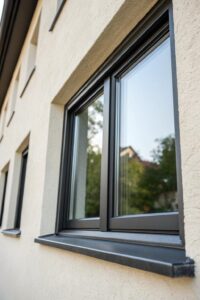
8. How Design Within Can Help
At Design Within, we understand that moisture problems can affect both the appearance and long-term condition of a home. Proper renovation planning begins with identifying the likely source of water entry and coordinating the necessary repairs with exterior finishes and interior restoration.
For homeowners in Pune planning repairs or broader renovation work, a clearly defined scope can help coordinate waterproofing, plaster repairs, painting and related work.
Planning to repair damp walls or renovate your home? Visit Design Within to explore interior-design and renovation support.
At Design Within, we believe a beautiful interior should not only look good when it is completed — it should also perform well for years.
Before we dive into more details about designing your furniture, it might be helpful to estimate how much your interior design project could cost. Understanding your budget can help you make more informed decisions about what features to prioritize. To get a better idea, you can use our ‘interior design budget calculator’ budget calculator and start planning your dream home today.
Frequently Asked Questions
1. What is the exterior wall waterproofing cost per sq. ft. in Pune?
As an initial budgeting guide, exterior coating work may cost approximately ₹30–₹80 per sq. ft. in some projects. Repairs, access equipment, plaster replacement and repainting can add to the cost. Obtain a current, site-specific quotation.
2. Is waterproof exterior paint enough to stop wall leakage?
It can help with rain exposure when the wall is sound and the product is suitable, but it may not solve deep cracks, failed joints, plumbing leaks or water entering from a terrace.
3. Can exterior wall waterproofing be done during the monsoon?
Some repairs may be possible during suitable dry weather windows, but many products require specific surface and weather conditions. Rain, excessive moisture and unsuitable temperatures can affect application and curing. Follow the manufacturer’s requirements.
4. How do I stop rainwater from entering through an exterior wall?
First identify the entry point. The solution may involve crack repair, window sealing, plaster restoration, an appropriate exterior coating or correction of a nearby terrace or balcony junction.
5. Does exterior wall waterproofing require scaffolding?
Not always. Ground-level work may need no special access equipment, while upper floors can require scaffolding, rope access or other approved systems. Access and safety costs should be stated in the quotation.
6. Can exterior wall waterproofing fix dampness inside the house?
It can help when rainwater penetration through the exterior wall is the cause. If the problem originates from plumbing, condensation, rising moisture or a terrace, a different or additional repair may be required.
7. How long does exterior wall waterproofing last?
Service life depends on the product, exposure, surface preparation, application quality, movement and maintenance. Ask the contractor for the product-specific warranty and understand what it covers.
Final Thoughts
Exterior wall waterproofing works best when the source of water entry is identified before repairs begin. The right combination of crack treatment, junction sealing, surface restoration and weather-resistant coating can help protect your home from monsoon-related moisture damage.
For Pune homeowners, use per-square-foot rates as a starting point—not a final quote—and compare contractors based on the complete scope of work rather than price alone.