Introduction to Engineered Wood
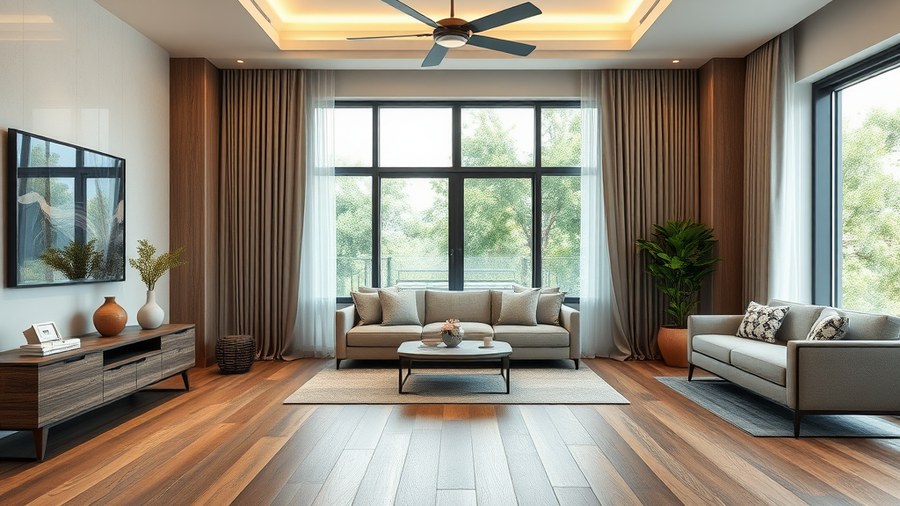
Engineered wood has become one of the most preferred materials for modern Indian interiors because it offers excellent durability, dimensional stability, and value for money. Whether you’re designing a modular kitchen, wardrobes, TV unit, or bedroom furniture in a 3BHK or 4BHK home, choosing the right material directly affects longevity and maintenance. Many homeowners wonder whether engineered wood can actually outlast traditional solid wood in India’s changing climate. The answer depends on factors such as humidity, moisture exposure, workmanship, and the quality of the material used.
Advantages of Engineered Wood
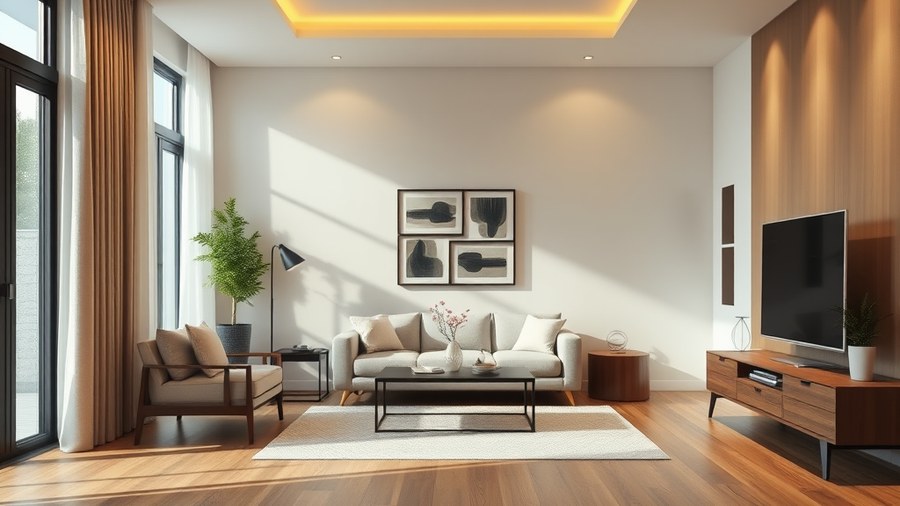
One of the biggest reasons homeowners prefer this material is its stability in varying weather conditions. Unlike natural timber, which expands and contracts as humidity changes, engineered panels are manufactured with multiple bonded layers that reduce movement. This makes them suitable for Indian homes where temperatures and humidity fluctuate throughout the year.
For modular kitchens, wardrobes, bathroom vanities, TV units, and study furniture, these boards offer excellent dimensional stability and require less maintenance than traditional timber. Quality products also resist warping, bending, and termite attacks better when combined with proper edge sealing and installation.
Another major benefit is affordability. Premium finishes can achieve the appearance of natural wood while keeping overall interior costs under control, making them a practical choice for modern apartments and villas.
Comparison with Solid Wood
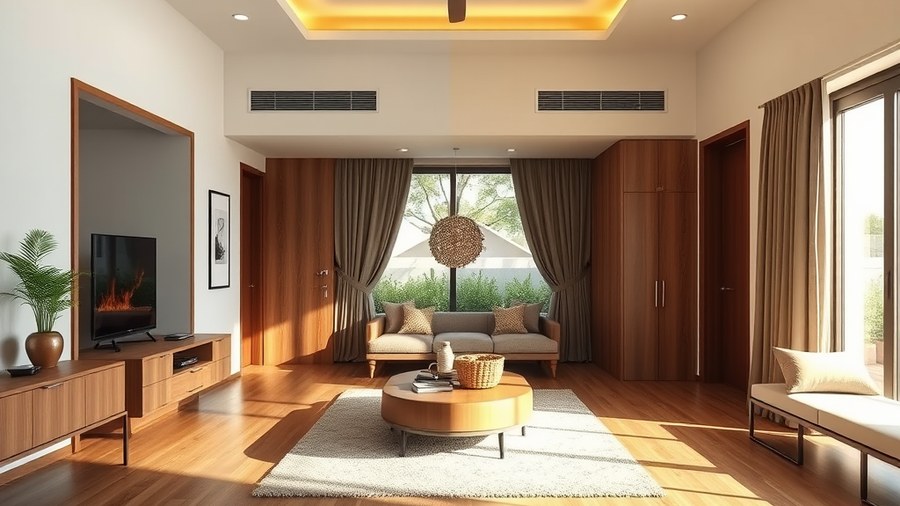
Solid wood continues to be valued for its natural grain, premium appearance, and long lifespan when maintained properly. However, it reacts more noticeably to moisture, causing seasonal expansion, contraction, or minor cracks in humid environments.
Manufactured wood panels provide more consistent performance because their layered construction improves dimensional stability. This makes them particularly suitable for furniture and cabinetry in Indian homes where climate changes can affect natural timber over time.
Budget is another important consideration. Solid timber generally costs considerably more, while engineered alternatives provide a similar aesthetic at a lower price, allowing homeowners to optimise both design and budget.
Before finalising your interior materials, it is helpful to estimate the overall project cost. Our interior design budget calculator helps you understand realistic expenses based on your home size, preferred finishes, and design requirements, making it easier to plan your renovation with confidence.
Conclusion
Selecting the right material depends on where it will be used, your budget, and your maintenance expectations. For most modern Indian homes, engineered wood offers an excellent balance of durability, affordability, and moisture resistance, making it ideal for modular furniture and cabinetry.
Solid wood remains the premium option for homeowners who appreciate natural craftsmanship and are willing to invest in regular maintenance. Both materials perform well when used appropriately, but for everyday residential interiors, engineered products often deliver better long-term value.