Understanding the Common Failure Points
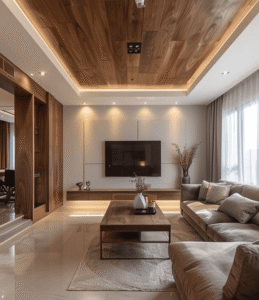
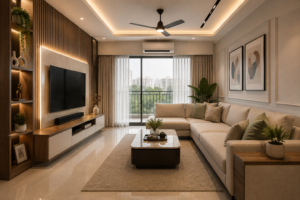
In many modern Indian homes, especially 3BHK and 4BHK apartments in Pune, TV units are designed with sleek panels that hide all wiring. While this looks clean, the hidden compartments often become a hotspot for problems after about two years. The main culprits are inadequate ventilation, poor quality cable clips, and the use of low‑grade wires that cannot handle the heat generated by multiple devices.
When a TV is paired with a soundbar, gaming console, and a set‑top box, the cumulative load can raise the temperature inside the panel. Without proper airflow, the insulation on the wires starts to degrade, leading to short circuits or intermittent signal loss.
Heat Build‑Up and Its Effects
Heat is the silent enemy of any concealed wiring system. In a typical Indian living room, the TV unit is placed against a wall that receives direct sunlight for a few hours each day. This extra heat, combined with the warmth from electronic devices, can push the internal temperature well beyond the safe operating range of PVC‑insulated cables.
Over time, the insulation softens, exposing the copper conductors. When the copper touches the metal frame of the TV unit or other cables, it creates a low‑resistance path that can cause flickering screens or complete failure of the connection.
Why Low‑Quality Materials Cause Early Breakdown
Many contractors opt for cheaper, thinner gauge wires to cut costs. While they may pass inspection initially, they lack the durability required for a high‑load environment. In Indian homes where power fluctuations are common, these wires are even more vulnerable.
Similarly, the panels themselves are often made from low‑density MDF or particle board. These materials absorb moisture from the humid Pune climate, swelling and putting pressure on the cable channels, which can loosen connections.
Improper Cable Management
When cables are forced into tight bends or crammed into narrow slots, the outer sheath can crack. This is especially true for HDMI and power cords that have thicker jackets. Cracked sheaths expose the wires to dust and humidity, accelerating corrosion.
Good cable management involves using rounded corners, cable ties with enough slack, and dedicated conduit channels that keep wires separate from the panel’s structural elements.
How to Diagnose a Failing TV Unit Panel
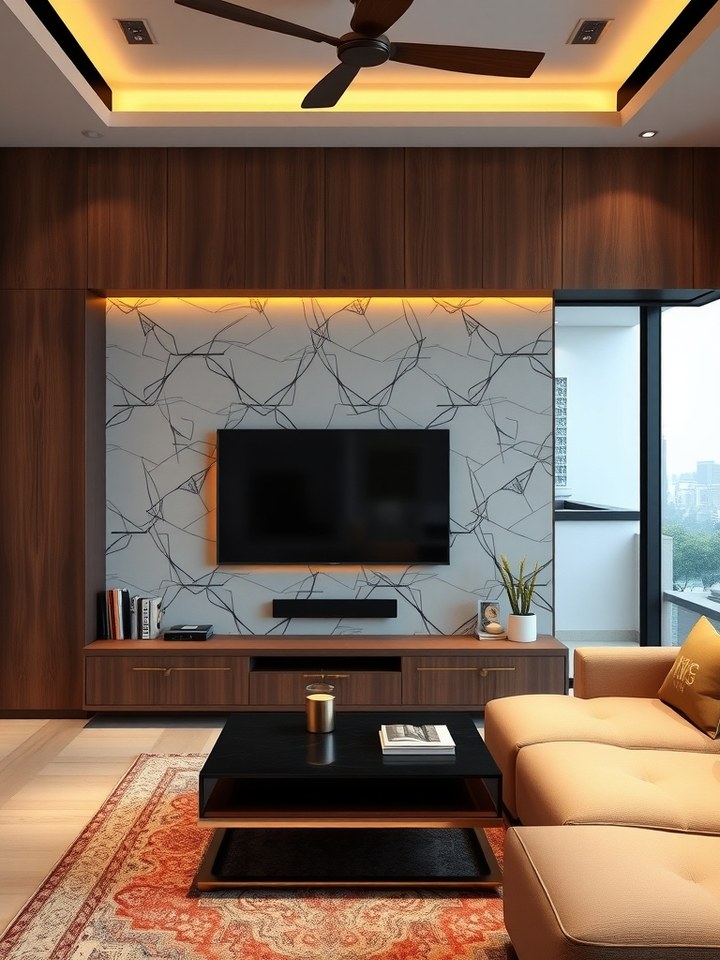
The first sign of trouble is usually intermittent picture loss or audio drop‑outs. Homeowners often blame the TV itself, but the problem may lie within the hidden wiring. A quick visual inspection—by removing the panel’s front cover—can reveal scorched wires, melted clips, or a buildup of dust.
Another red flag is a warm-to‑touch panel surface after the TV has been on for an hour. If the panel feels hot, it indicates poor heat dissipation and warrants immediate attention.
Tools You’ll Need
A basic toolkit should include a screwdriver set, a multimeter, and a flashlight. The multimeter helps you check continuity and detect any short circuits. If you’re not comfortable opening the panel, it’s best to call a professional electrician.
Remember, tampering with concealed wiring without proper knowledge can void warranties and pose safety risks.
Effective Fixes That Last Beyond Two Years

Once the problem is identified, the most reliable solution is to replace the hidden wiring with high‑quality, heat‑resistant cables. Look for cables with a thicker PVC or silicone jacket, rated for at least 90°C. Pair these with metal cable clips that provide better grip and ventilation.
Upgrade the TV unit’s internal structure by adding a thin aluminum sheet or heat‑sink strips behind the panels. This simple addition helps disperse heat away from the cables, extending their lifespan.
Improving Ventilation
Drill small, discreet ventilation holes at the top and bottom of the panel, or install a low‑profile mesh grille. The airflow created by natural convection will keep the temperature down without compromising aesthetics.
Another option is to use a slim LED strip light with a built‑in fan behind the panel. This not only adds a modern ambience but also actively pulls heat away from the wiring.
Preventive Measures for New Installations
If you’re planning a new TV unit, work with a design firm like Design Within that understands the importance of concealed wiring standards. Specify a minimum wire gauge (18 AWG for HDMI, 14 AWG for power) and request heat‑resistant conduit.
Ask for a detailed wiring diagram that shows cable routes, ventilation points, and the type of fasteners used. This documentation helps future maintenance and ensures the unit complies with Indian electrical codes.
Regular Maintenance Checklist
Every six months, dust off the panel’s interior with a soft brush and check for any signs of discoloration on the wires. Run a quick continuity test on all connections to catch early wear.
Keep the surrounding area free of clutter and avoid placing heavy decorative items on the TV unit, as pressure can shift cables and damage connections.
Ready to upgrade your living room with a reliable, stylish TV unit? Estimate your project budget now and see how Design Within can bring a long‑lasting solution to your home.
interior design budget calculator“>Calculate your interior design budget and take the first step toward a hassle‑free entertainment space.
Conclusion: A Seamless Viewing Experience Starts With Smart Design
Hidden wiring failures are not inevitable; they result from shortcuts in material choice, ventilation, and cable management. By investing in quality components and following the preventive steps outlined above, Indian homeowners can enjoy a flawless TV experience for many years.
Design Within combines aesthetic excellence with technical precision, ensuring that every TV unit we craft not only looks great but also stands the test of time.