Introduction
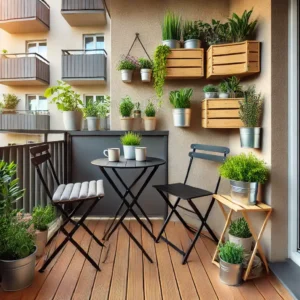
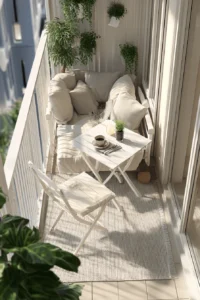
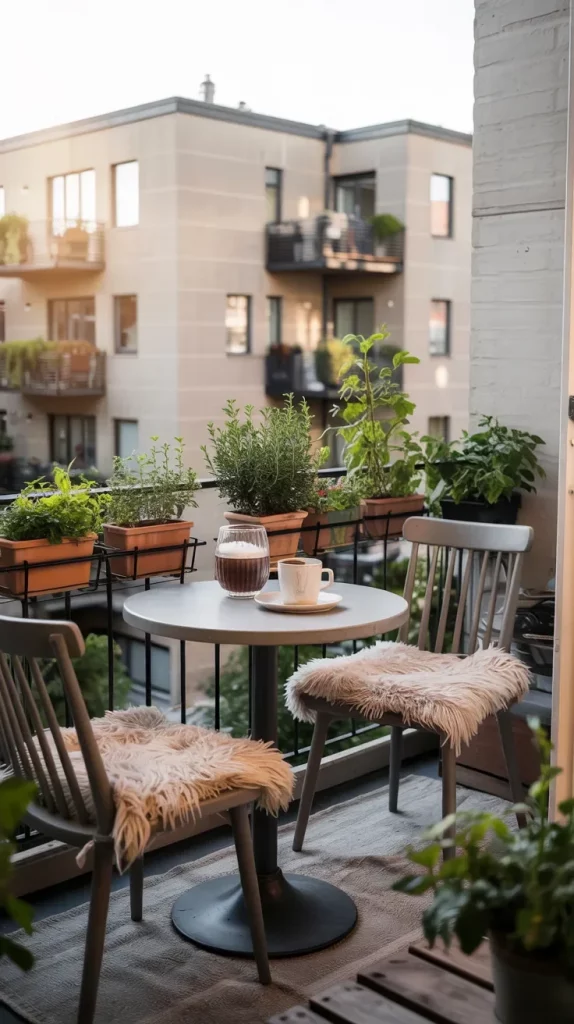
A balcony may be one of the smallest spaces in an apartment, but with thoughtful planning, it can become one of the most enjoyable.
It can work as a morning coffee corner, reading area, mini garden, relaxing space or even a compact work-from-home zone.
The challenge is to make the balcony comfortable without overcrowding it.
For Indian apartments, balcony design also needs to consider heat, rain, dust, humidity, sunlight, privacy and maintenance.
Here are some practical balcony design ideas to help you make the most of the available space.
1. Decide How You Want to Use the Balcony
Before choosing furniture or plants, decide what the balcony is actually going to be used for.
Possible uses include:
-
Morning coffee or tea area
-
Reading corner
-
Small garden
-
Relaxation space
-
Work-from-home area
-
Children’s activity area
-
Outdoor dining corner
A small balcony should ideally have one primary purpose rather than trying to accommodate everything.
2. Choose Compact Furniture
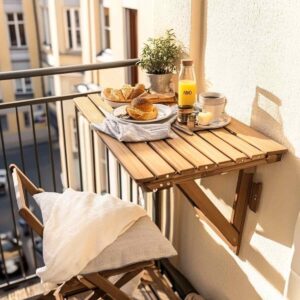
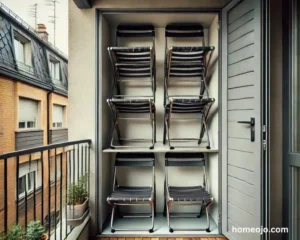
Furniture can quickly consume the usable area of a balcony.
For smaller apartments, consider:
-
Compact lounge chairs
-
Foldable chairs
-
Small benches
-
Nesting tables
-
Wall-mounted tables
-
Built-in seating
A foldable or movable table can be particularly useful because it allows the balcony to be cleared when more floor space is required.
Avoid oversized outdoor furniture simply because it looks attractive in a photograph.
3. Use Vertical Space
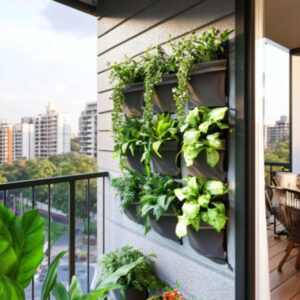
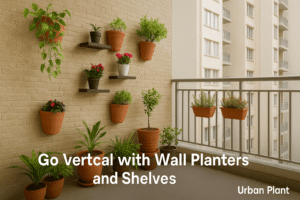
When floor area is limited, look upwards.
Vertical solutions can include:
-
Wall-mounted planters
-
Vertical gardens
-
Hanging plants
-
Tall storage units
-
Wall-mounted shelves
-
Decorative screens
This allows you to add greenery and storage without sacrificing too much floor space.
However, ensure that planters and fixtures are securely installed and suitable for outdoor conditions.
4. Add Plants Carefully
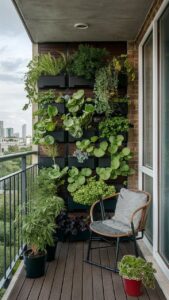
Plants are one of the easiest ways to make a balcony feel more inviting.
But plant selection should be based on the actual conditions of the balcony.
Consider:
-
Amount of direct sunlight
-
Wind exposure
-
Rain
-
Humidity
-
Maintenance requirements
-
Available floor space
Instead of filling the balcony with random plants, create a simple combination of floor, wall and hanging planters.
For a low-maintenance balcony, choose plants that are suited to the local climate and the amount of sunlight available.
5. Create Privacy
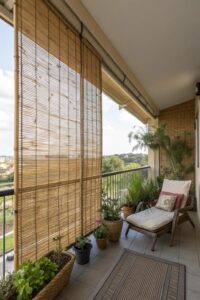
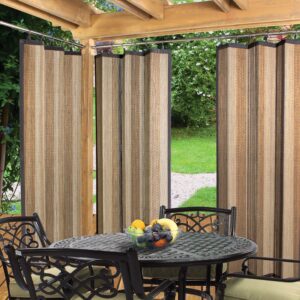
Apartment balconies often face neighbouring buildings, roads or other apartments.
Privacy can be improved with:
-
Outdoor curtains
-
Bamboo or cane screens
-
Planter arrangements
-
Decorative metal screens
-
Vertical gardens
-
Frosted or textured panels where appropriate
The privacy solution should still allow sufficient daylight and ventilation.
Avoid completely blocking the balcony unless privacy is the overriding requirement.
6. Plan for Indian Weather
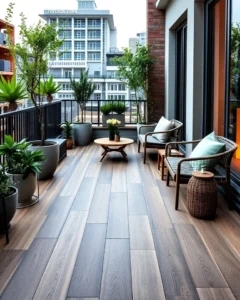
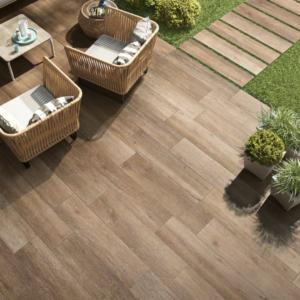
This is one of the most important considerations.
Balcony furniture and finishes are exposed to conditions that interior furniture doesn’t experience.
Depending on the location, balconies may receive strong sunlight, heavy monsoon rain, humidity and dust.
Choose materials and finishes that are appropriate for outdoor exposure.
Consider:
-
Weather-resistant furniture
-
Outdoor-grade fabrics
-
Rust-resistant metal
-
Suitable flooring
-
Easy-to-clean surfaces
-
Proper drainage
A beautiful balcony that deteriorates after one monsoon season is not a successful design.
7. Choose the Right Flooring
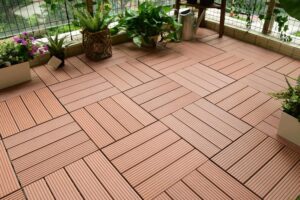
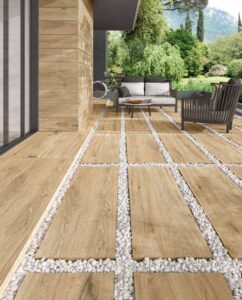
Flooring can significantly change the appearance of a balcony.
Depending on the existing construction and exposure, options can include:
-
Outdoor tiles
-
Wood-look tiles
-
Decking systems
-
Exterior-grade stone
-
Artificial grass in selected applications
The flooring should be slip-resistant, durable and suitable for exposure to water and sunlight.
Also make sure that the existing drainage arrangement is not obstructed.
8. Use Lighting to Create Ambience
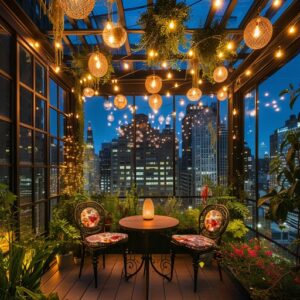
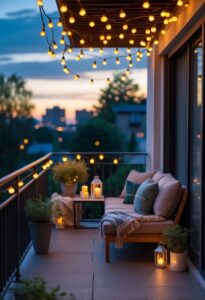
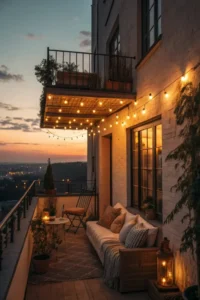
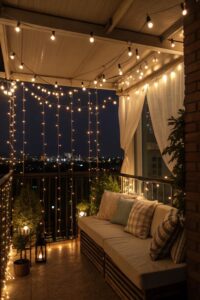
Good balcony lighting can transform the space in the evening.
Useful options include:
-
Wall lights
-
Pendant-style outdoor lights
-
String lights
-
LED strips
-
Solar lights
-
Small floor or planter lights
Avoid excessive lighting in a small balcony.
A combination of subtle ambient lighting and focused light near the seating area is usually enough.
All electrical fixtures used outdoors should be appropriately rated for their installation location.
9. Add Small-Scale Storage
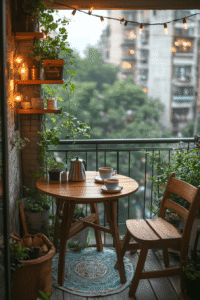
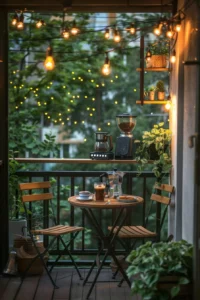
Balconies can benefit from compact storage, especially in apartments.
Depending on the space, consider storage for:
-
Gardening tools
-
Planting accessories
-
Cleaning supplies
-
Cushions
-
Small outdoor equipment
Built-in bench seating with concealed storage can be particularly useful in a compact balcony.
Avoid turning the balcony into a dumping area. Storage should be planned and visually integrated into the design.
10. Consider a Multi-Functional Balcony
A well-planned balcony can serve different purposes at different times.
For example:
Morning: coffee and breakfast
Afternoon: plants and fresh air
Evening: relaxation and conversation
Work hours: compact workstation
A foldable table, movable chair and flexible lighting can make this possible without permanently filling the balcony with furniture.
11. Make a Small Balcony Feel Larger
You cannot physically increase the balcony area, but you can improve its visual spaciousness.
Try:
-
Keeping the floor relatively clear
-
Using lightweight furniture
-
Using vertical greenery
-
Maintaining a consistent colour palette
-
Using mirrors carefully where appropriate
-
Avoiding too many decorative objects
Light colours can also help create a more open feeling, particularly when combined with good natural light.
12. Don’t Forget Drainage
Balcony design should never compromise drainage.
This becomes especially important during the Indian monsoon.
Do not block existing drainage points with:
-
Furniture
-
Planters
-
Storage
-
Flooring systems
-
Decorative installations
Water should have a clear path to the intended drainage outlet.
If you are modifying the flooring or adding permanent installations, the drainage arrangement should be checked before execution.
Common Balcony Design Mistakes
Overcrowding the space
Too much furniture makes even a reasonably sized balcony feel cramped.
Choosing indoor furniture
Furniture designed for indoor use may deteriorate quickly when exposed to sun and rain.
Ignoring privacy
A beautiful balcony may still remain unused if it lacks sufficient privacy.
Using too many plants
Plants need maintenance, drainage and appropriate sunlight. More plants do not automatically create a better balcony.
Blocking drainage
This can create serious problems during heavy rain.
Using unsuitable electrical fixtures
Outdoor electrical installations need appropriate protection against environmental exposure.
Designing only for photographs
A balcony should be comfortable and usable, not simply decorative.
Balcony Design Checklist
Before finalizing your balcony, consider:
-
Purpose of the balcony
-
Compact furniture
-
Comfortable circulation
-
Privacy requirements
-
Suitable plants
-
Weather-resistant materials
-
Flooring
-
Drainage
-
Lighting
-
Storage
-
Maintenance requirements
-
Monsoon and sunlight exposure
Final Thoughts
A great balcony doesn’t require a large area or an expensive makeover.
The best balcony design is one that uses the available space intelligently and matches the way you actually live.
For Indian apartments, pay particular attention to weather resistance, drainage, privacy, sunlight, ventilation and maintenance before focusing on decorative elements.
Keep the furniture compact, use vertical space, introduce greenery thoughtfully and provide comfortable lighting.
A small, well-planned balcony can become a genuine extension of your home rather than simply an unused outdoor area.
At Design Within, we believe a beautiful interior should not only look good when it is completed — it should also perform well for years.
Before we dive into more details about designing your furniture, it might be helpful to estimate how much your interior design project could cost. Understanding your budget can help you make more informed decisions about what features to prioritize. To get a better idea, you can use our ‘interior design budget calculator’ budget calculator and start planning your dream home today.
Frequently Asked Questions
1. How can I design a small balcony in an Indian apartment?
Use compact or foldable furniture, vertical planters, wall-mounted storage and a simple colour palette. Keep the floor as open as possible to maintain comfortable movement.
2. What furniture is best for a small balcony?
Compact chairs, benches, foldable tables and built-in seating are practical choices. Outdoor furniture should also be selected according to the balcony’s exposure to sunlight and rain.
3. Which plants are suitable for an apartment balcony?
The right plants depend on sunlight, wind, humidity and maintenance requirements. Select plants suited to your local climate rather than choosing them purely for appearance.
4. How can I add privacy to my balcony?
Outdoor curtains, vertical plants, screens, bamboo or cane elements and suitable decorative panels can provide privacy while still allowing light and airflow.
5. How can I protect my balcony furniture from the Indian weather?
Choose outdoor-suitable materials and fabrics, use rust-resistant metal where appropriate and protect furniture from prolonged rain and direct sunlight when possible.
6. Can I use artificial grass on my balcony?
Artificial grass can be used as a decorative surface in suitable applications, but drainage, cleaning and the condition of the underlying balcony floor should be considered before installation.
7. How can I make my balcony look bigger?
Keep the floor uncluttered, use compact furniture, introduce vertical greenery and maintain a consistent colour palette. Good lighting can also improve the perception of space.
8. What type of lighting is best for a balcony?
A combination of subtle ambient lighting and focused lighting near the seating area usually works well. Outdoor electrical fixtures should be appropriately rated for their location.
9. Can a balcony be used as a home office?
Yes. A compact wall-mounted or foldable desk with a comfortable chair can create a useful workspace. However, glare, heat, rain exposure and electrical access should be considered.
10. What is the most important thing to consider when designing an apartment balcony?
Design it around how you will actually use it. Then plan furniture, plants, privacy, lighting and materials around that purpose while ensuring proper drainage and weather resistance.