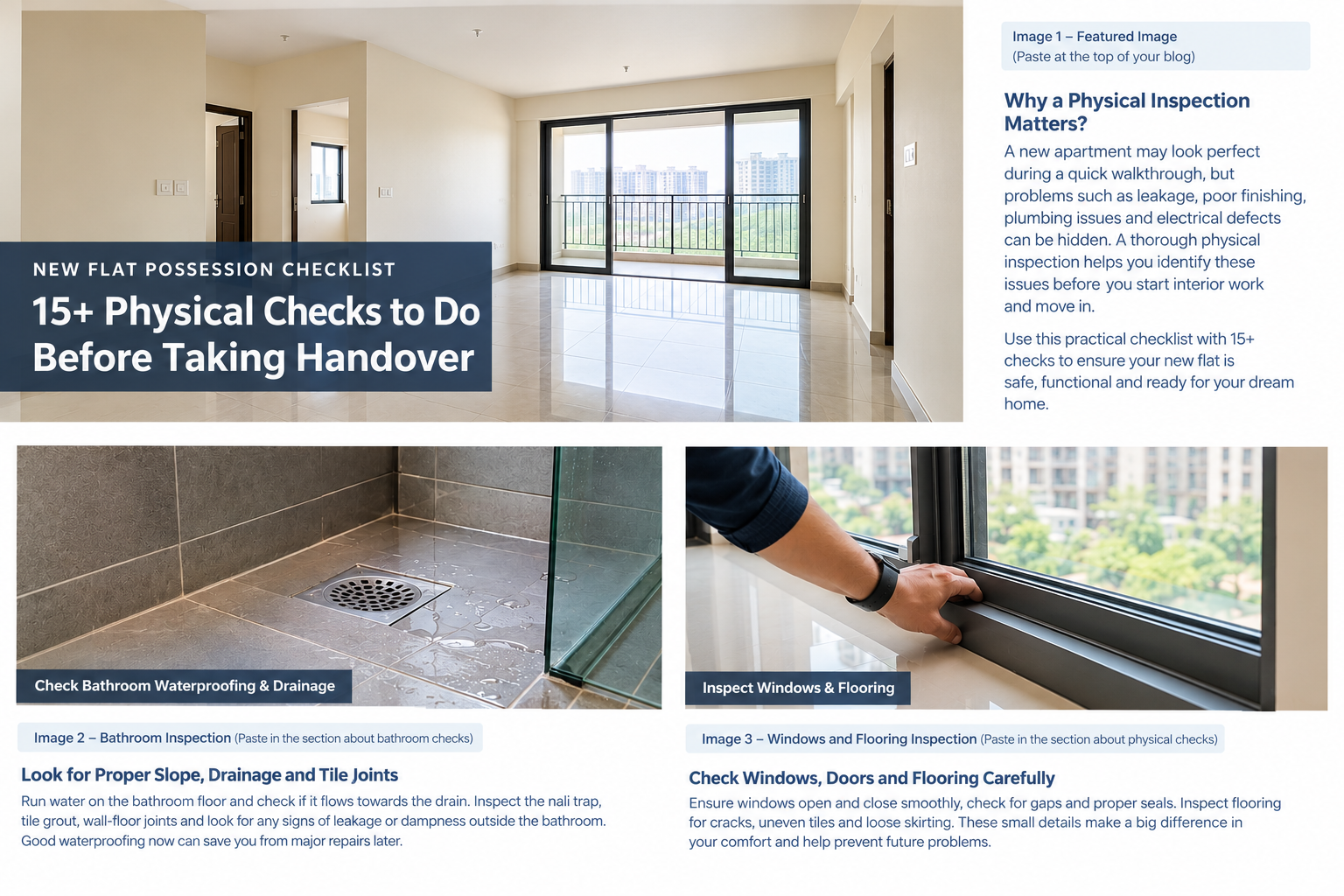
Introduction : New Flat Possession Checklist: 15+ Physical Checks to Do Before Taking Handover
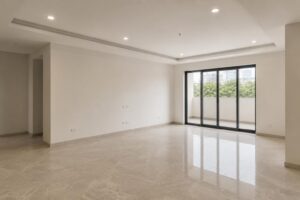
Taking possession of your new flat is an exciting milestone. But before you accept the keys and start planning your dream interiors, it is important to inspect the apartment physically and identify defects that may otherwise go unnoticed.
Whether you are purchasing a new 2BHK or 3BHK or 4BHK flat in Pune, PCMC or elsewhere in India, a thorough physical inspection can help you identify construction defects, water leakage, poor finishing, plumbing issues, electrical problems and other concerns before furniture and interior work begin.
A flat may look beautiful during a quick walkthrough, but problems such as hollow tiles, improper bathroom slopes, loose window seals, concealed plumbing leaks and uneven walls can become apparent only when you inspect the property carefully.
At Design Within, we believe that good interior design begins with understanding the actual condition of the space.
In this guide, we have prepared a practical new flat possession checklist covering more than 30 physical checks that you should perform before moving into your apartment.
1. Check Walls, Plaster and Paint Quality
Begin by inspecting every wall in the living room, bedrooms, kitchen and passage.
Look for:
-
Cracks in walls, especially diagonal or widening cracks.
-
Uneven plaster or visibly wavy surfaces.
-
Bubbling, peeling or flaking paint.
-
Damp patches, yellow stains or white salt deposits.
-
Poor finishing at wall corners and junctions.
-
Gaps or cracks around door and window frames.
-
Paint splashes or rough finishing near switches and skirting.
Pro tip: Shine a torch across the wall at an angle. This can make uneven plaster, surface defects and paint imperfections easier to notice.
Hairline cracks are not always structural, but significant, growing or recurring cracks should be assessed by a qualified structural engineer.
2. Inspect the Ceiling Carefully
Look at the ceiling in every room, particularly below bathrooms, balconies and plumbing lines.
Check for:
-
Yellow or brown water stains.
-
Damp patches or peeling paint.
-
Cracks around beams and ceiling corners.
-
Uneven plaster or visible bulges.
-
Signs of leakage near plumbing shafts.
-
Water marks around concealed service routes.
If the apartment has a false ceiling, inspect accessible edges and panels for dampness, sagging or damage.
Do not cover a suspected leakage area with a new false ceiling or decorative panelling until the source has been investigated.
3. Check Floor Tiles and Flooring Quality
Flooring defects are much easier to identify before furniture is installed.
Check for Hollow Tiles
Gently tap accessible tiles with a suitable, non-damaging tool and compare the sound across adjacent areas.
Listen for unusually hollow-sounding sections, especially where tiles are cracked, loose or have damaged grout.
A hollow sound alone does not prove that a tile is defective, but widespread hollow areas or movement underfoot deserve further inspection.
Check for Other Flooring Defects
Inspect for:
-
Cracked or chipped tiles.
-
Uneven tile levels.
-
Wide or inconsistent grout joints.
-
Sharp or poorly finished tile edges.
-
Loose skirting.
-
Gaps at door thresholds.
-
Uneven transitions between different flooring materials.
-
Scratches, stains or damaged polished surfaces.
Walk through the apartment in both directions and pay attention to noticeable changes in floor level.
4. Check Bathroom Waterproofing and Drainage
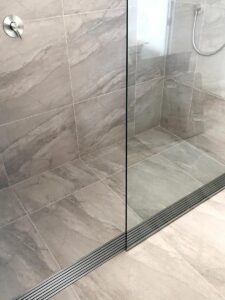
The bathroom deserves special attention because leakage can damage the apartment’s finishes and potentially affect the flat below.
Test the Bathroom Floor Slope
Run water over the floor and observe its movement towards the floor drain.
Check whether:
-
Water flows towards the drain.
-
Water collects near the entrance or corners.
-
Puddles remain after the water flow stops.
-
The drain is slow or water backs up.
Persistent standing water may indicate a slope or drainage issue that needs correction.
Inspect the Nali Trap
Check the floor drain, commonly called the nali trap, for:
-
Cracked or damaged surrounding grout.
-
Loose drain covers.
-
Visible gaps around the drain.
-
Slow drainage or foul smells.
-
Signs of water escaping around accessible joints.
Poor detailing around the drain can allow water to enter the layers beneath the tiles. Concealed leakage requires appropriate investigation rather than guesswork.
Inspect Tile Grout and Wall-Floor Joints
Examine the grout between bathroom tiles, especially around shower areas and wall-floor junctions.
Look for loose grout, cracks, missing sections and gaps around sanitary fittings.
Remember that grout is not a substitute for a waterproofing membrane. Regrouting alone will not resolve a failed membrane or leaking pipe.
Check for Leakage Outside the Bathroom
Inspect the wall outside the bathroom and adjacent rooms for dampness, paint bubbles, white deposits or musty smells.
If possible, check the ceiling below the bathroom with the owner’s or building manager’s permission.
Where concealed leakage is suspected, a qualified professional may use moisture meters, thermal imaging or other diagnostic tests to help trace the likely source.
5. Inspect Every Tap, Basin and Toilet
Do not simply turn on one tap and assume the plumbing is satisfactory.
Physically test every installed fitting.
-
Open all washbasin and kitchen taps.
-
Test the shower and mixer controls.
-
Check water pressure and flow.
-
Inspect accessible pipes beneath the basin.
-
Look for drips around joints and valves.
-
Flush every toilet several times.
-
Check whether cisterns refill properly.
-
Observe whether water continues running after flushing.
-
Inspect around toilet bases for visible leakage.
-
Check whether washbasins and sinks drain efficiently.
Also pay attention to gurgling sounds, slow drainage and persistent foul odours, which may indicate drainage or trap problems.
Do not dismantle plumbing fittings or open concealed service panels unless qualified to do so.
6. Inspect the Kitchen Countertop and Sink
Kitchen leakage can become expensive to repair once modular cabinets and drawers are installed.
Pay particular attention to the joint between the sink and the granite or quartz countertop.
Check for:
-
Gaps or damaged sealant around the sink.
-
Loose sink fittings.
-
Leakage beneath the sink while water is running.
-
Cracks or gaps between the countertop and dado.
-
Loose or cracked dado tiles.
-
Water collecting near the countertop edges.
-
Dampness inside the sink cabinet.
-
Poor drainage or leakage from the waste pipe.
Run water into the sink and inspect all accessible connections.
The joint between the kitchen platform, or ota, and the dado should be properly finished and sealed where required. These joints should also be checked periodically during normal use.
7. Test Electrical Switches, Lights and Fans
Check the electrical fittings installed throughout the apartment.
-
Switch every light on and off.
-
Test all installed ceiling fans.
-
Check fan operation for unusual noise or wobbling.
-
Test the switches in every room.
-
Check accessible plug points using a suitable socket tester or qualified electrician.
-
Verify the operation of bathroom exhaust fans.
-
Check doorbell operation.
-
Test installed geysers and other supplied appliances safely.
-
Confirm that AC and appliance points are in their intended locations.
Have a qualified electrician inspect the distribution board, protective devices and earthing where necessary.
Never touch exposed wiring, remove switch plates or open electrical panels yourself during a routine possession inspection.
8. Check Doors, Locks and Hinges
Open and close every door several times.
Inspect:
-
The main entrance door.
-
Bedroom doors.
-
Bathroom doors.
-
Utility doors, where provided.
-
Door handles, hinges and stoppers.
-
Locks and latches.
-
Gaps between doors and frames.
-
Doors rubbing against the floor.
-
Damaged laminate, veneer or paint.
-
Uneven or loose door frames.
The main door should close securely and the lock should operate smoothly.
Bathroom doors should also open and close without unnecessary friction.
9. Inspect Windows and Sliding Systems
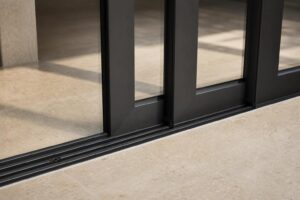
Windows are particularly important in Pune because poorly sealed frames can allow rainwater to enter during the monsoon.
Check:
-
Whether every window opens and closes smoothly.
-
Sliding tracks for dirt, damage or obstruction.
-
Window locks and handles.
-
Rubber gaskets and accessible seals.
-
Gaps between frames and surrounding walls.
-
Cracked glass or damaged frame finishes.
-
Water stains around the window sill.
-
Loose or poorly finished window edges.
-
Balcony sliding doors and their locking systems.
Inspect the perimeter of the windows for visible gaps or deteriorated sealant.
Any water-ingress concerns should be reported and investigated. Avoid unsafe water testing near electrical installations or at height.
10. Check the Balcony and Utility Area
Balconies and utility areas are often overlooked during handover, even though they are exposed to rain and water.
Inspect:
-
Balcony floor slope.
-
Floor drain and drainage flow.
-
Standing water after a controlled water test.
-
Cracked or loose tiles.
-
Damp patches on adjoining walls.
-
Window and sliding-door seals.
-
Visible cracks at wall-floor junctions.
-
Secure railings and guardrails.
-
Washing machine water supply and drainage points.
-
Utility-area taps and plumbing connections.
Never lean over railings or perform unsafe tests at height. Report loose railings or other potential fall hazards immediately.
11. Inspect the Kitchen, Bedrooms and Living Room Dimensions
Before planning wardrobes, a modular kitchen or a TV unit, verify the actual usable space.
Measure:
-
Living room length and width.
-
Bedroom dimensions.
-
Kitchen counter area.
-
Wardrobe locations.
-
Door and window openings.
-
Beam and column projections.
-
Available ceiling height.
-
Space around electrical and plumbing points.
Check whether doors, windows and cupboards can open without obstructing one another.
These measurements can help you determine whether your proposed sofa, bed, dining table and storage units will fit comfortably.
Remember that measurements taken during a site visit are useful for interior planning but do not replace formal carpet-area measurements.
12. Inspect the Ceiling Height and Beam Projections
This is especially important if you plan to install a false ceiling.
Check:
-
The clear ceiling height in each room.
-
The depth of beams projecting below the ceiling.
-
Any uneven ceiling levels.
-
Existing service pipes or conduits.
-
Areas where ceiling height is already limited.
-
Space required for lighting and air-conditioning services.
A false ceiling reduces the available clear height, so planning it before checking these conditions may make a room feel unnecessarily cramped.
Measure the height at multiple locations rather than assuming every room is identical.
13. Check the Quality of Fixtures and Fittings
Inspect the installed items against the specifications agreed for your apartment.
Look at:
-
Bathroom faucets and shower fittings.
-
Sanitaryware and flush plates.
-
Kitchen sink and tap.
-
Door handles and locks.
-
Window hardware.
-
Electrical switches and sockets.
-
Installed light fittings.
-
Exhaust fans.
-
Any supplied appliances or accessories.
Check for visible cracks, loose fittings, scratches, damaged finishes and inconsistent installation.
Operate the fittings wherever safe and practical rather than checking their appearance alone.
14. Inspect Common Areas and Building Access
Although your flat is the main focus, the areas used to enter and exit the apartment also matter.
Observe:
-
Lift operation and unusual noises.
-
Staircase condition and accessibility.
-
Common corridor lighting.
-
Uneven or damaged flooring.
-
Water leakage in common passages.
-
Visible dampness near service shafts.
-
Entrance door and access arrangements.
-
Parking access and any visible obstructions.
-
Common-area cleanliness and drainage.
Ask the authorised building representative to explain emergency exits and relevant fire-safety arrangements. Do not operate restricted safety equipment yourself.
15. Conduct a Final Walkthrough Before Finishing Your Inspection
Once you have completed the individual checks, walk through the entire apartment again.
Look for any defect you may have missed, including:
-
Cracks or chips noticed from different angles.
-
Loose fittings or missing accessories.
-
Unfinished sealant around windows or countertops.
-
Water marks that were not visible initially.
-
Damaged paint behind open doors.
-
Poor finishing around skirting and door frames.
-
Any room or fitting you have not yet tested.
Photograph each defect and note its exact location.
If you identify a suspected structural issue, significant leakage or electrical safety concern, seek the appropriate professional assessment rather than treating it as a routine cosmetic defect.
16. What to Carry for a Physical Flat Inspection
Keep a small inspection kit ready:
-
Mobile phone for photos and videos.
-
Torch for dark corners.
-
Measuring tape or laser measure.
-
Notebook or digital checklist.
-
Small straightedge or spirit level.
-
Appropriate socket tester, used by a competent person.
-
A small, non-damaging tool for comparing tile sounds.
-
A copy of the proposed furniture or interior layout, if available.
For apartments with visible defects, suspected concealed leakage or complex services, an independent home inspector or relevant technical specialist may be worth considering.
17. How to Record Defects During Physical Inspection
Whenever you find a defect, record it clearly.
| Location | What to record |
|---|---|
| Living room | Cracked tiles, uneven walls, damaged paint |
| Bedroom | Wall cracks, ceiling stains, flooring defects |
| Bathroom | Drainage, slope, grout condition, leakage signs |
| Kitchen | Sink sealing, countertop joints, plumbing leaks |
| Balcony | Drainage, water accumulation, window sealing |
| Electrical points | Non-working switches, sockets or fittings |
| Doors and windows | Loose hardware, damaged seals, poor alignment |
Take photographs from both a distance and close up. This helps identify the exact location and severity of the problem.
Share the list with the builder or responsible representative and retain a record of the reported defects and responses.
Final Thoughts: Inspect Your Flat Before Starting Interior Work
A new apartment may look perfect during a quick walkthrough, but a detailed physical inspection can reveal problems that are easy to miss.
Check the walls, ceilings, flooring, bathrooms, kitchen, plumbing, electrical fittings, doors, windows, balcony and room dimensions before moving in or beginning major interior work.
Most importantly, investigate signs of leakage and structural concerns before covering them with furniture, wall panels or false ceilings.
At Design Within, we believe that a well-designed home starts with understanding the actual space and addressing practical concerns before selecting materials, finishes and furniture.
Planning the interiors of your new apartment in Pune? Design Within can help you plan your layout, materials, lighting, storage and finishes to create a home that is both functional and aesthetically pleasing.
Save this physical apartment inspection checklist and share it with anyone who is about to take possession of a new flat.
At Design Within, we believe a beautiful interior should not only look good when it is completed — it should also perform well for years.
Before we dive into more details about designing your furniture, it might be helpful to estimate how much your interior design project could cost. Understanding your budget can help you make more informed decisions about what features to prioritize. To get a better idea, you can use our ‘interior design budget calculator’ budget calculator and start planning your dream home today.
Frequently Asked Questions
1. What should I physically check before taking possession of a flat?
Inspect walls, ceilings, flooring, bathrooms, kitchen plumbing, electrical points, doors, windows, balcony drainage, fixtures and room dimensions. Look for cracks, dampness, leakage, damaged finishes and incomplete work.
2. How do I check for water leakage in a new apartment?
Run water through accessible taps and drains, inspect plumbing joints, observe bathroom and balcony drainage, and look for damp patches around walls, ceilings and windows. Concealed leakage may require professional diagnostic testing.
3. How can I identify hollow floor tiles?
Gently tap accessible tiles with a suitable, non-damaging tool and compare the sound with adjacent tiles. Hollow sounds are a reason to investigate further, particularly when tiles are loose or cracked, but they do not conclusively establish a defect.
4. How do I check the bathroom slope?
Run a controlled amount of water over the bathroom floor and observe whether it flows towards the drain. Look for persistent puddles, water collecting at the entrance or slow drainage.
5. What should I check in the kitchen before possession?
Inspect the sink, countertop joints, ota-dado joint, taps, waste pipes, drainage and accessible plumbing connections. Look for gaps in sealant, dampness and water escaping below the counter.
6. Why should I inspect windows before taking possession?
Poorly fitted frames, damaged seals and gaps around windows can allow rainwater to enter and damage walls, flooring and furniture. Check the locking mechanisms, sliding tracks, frame alignment and visible perimeter sealing.
7. Should I inspect the flat before starting interior work?
Yes. Identifying defects before installing wardrobes, modular kitchens, wall panelling and false ceilings can help avoid rework and make it easier to investigate the original source of any problem.
8. Can a thermal scanner detect concealed water leakage?
Thermal imaging can help identify temperature patterns associated with possible moisture or leakage. However, it does not always identify the exact source on its own. A professional may need additional moisture measurements or other tests to confirm the problem.
9. How do I check whether my flat is ready for a modular kitchen?
Verify the kitchen dimensions, countertop level, sink position, water supply, drainage, electrical points, appliance locations and available ventilation. Investigate any suspected leakage before installing cabinets.
10. Should I hire a professional for a new flat inspection?
A qualified home inspector can help identify defects that are easy to overlook during a casual walkthrough. A structural engineer, plumber or electrician may be needed for specific concerns involving structural integrity, concealed leakage or electrical safety.