Introduction :
Waterproofing plays an important role in protecting Indian homes from rainwater seepage, damp walls, bathroom leakage and terrace damage. However, even good-quality waterproofing products can fail when the source of leakage is misunderstood, surfaces are poorly prepared or application instructions are ignored.
For homeowners in Pune, where monsoon rainfall can expose weaknesses in terraces, exterior walls and bathrooms, avoiding common waterproofing mistakes can help prevent repeat repairs and unnecessary renovation expenses.
Here are ten mistakes to avoid when planning waterproofing work.
1. Treating the Damp Patch Instead of Finding the Source
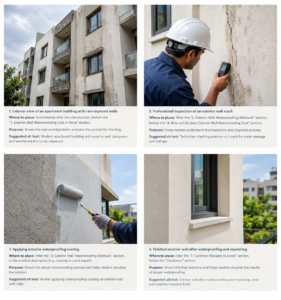
One of the most common mistakes is repairing the visible damage without identifying where the water is entering.
A damp patch could result from an exterior wall crack, terrace leakage, concealed plumbing, bathroom waterproofing failure or moisture rising through the structure.
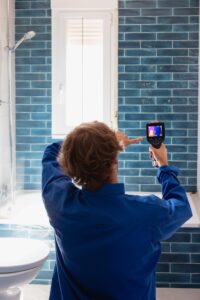
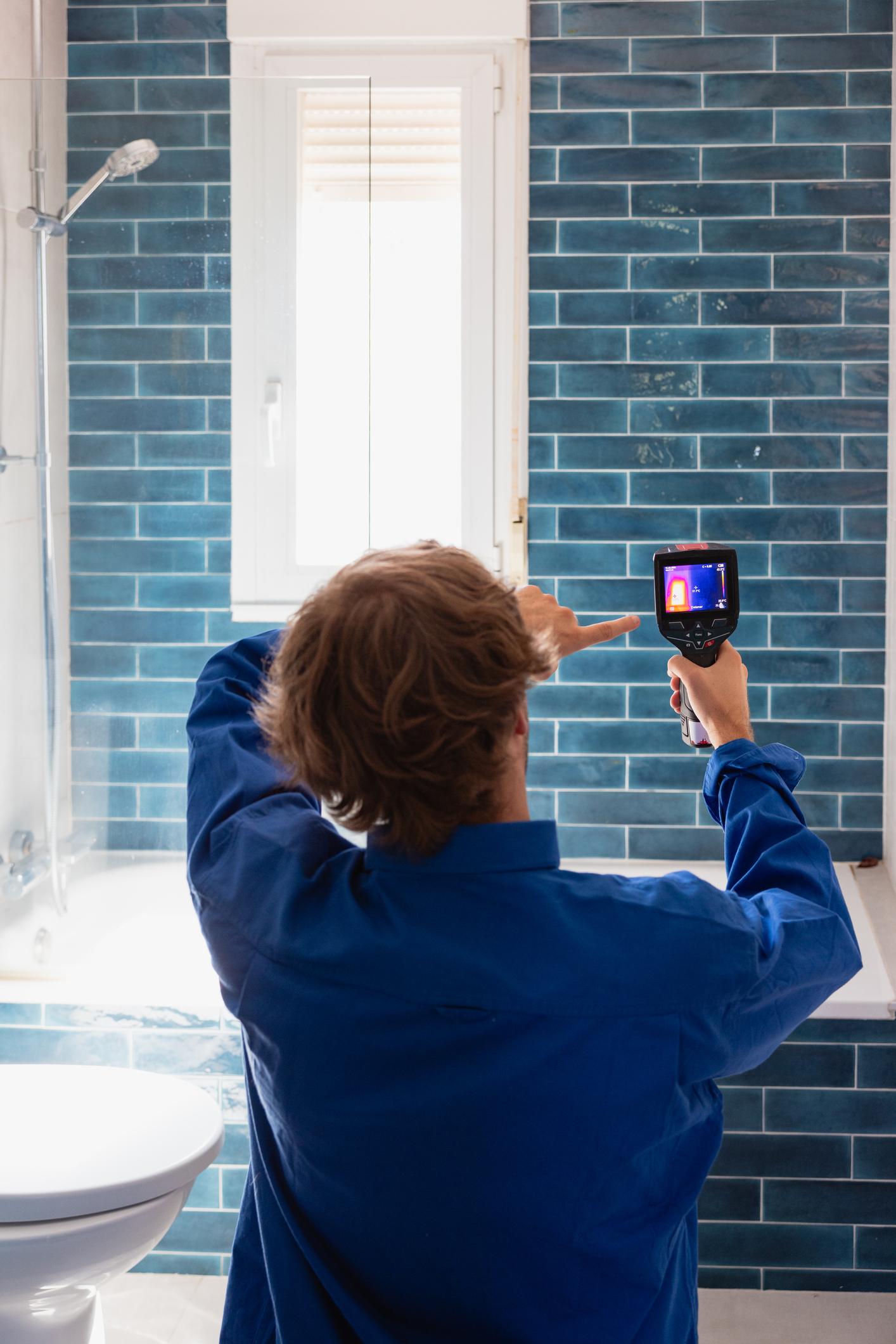
How to avoid it: Investigate the likely source before selecting a repair method. Depending on the situation, a professional may use visual inspection, moisture measurements, thermal imaging and plumbing tests. Thermal imaging can help identify temperature patterns associated with moisture, but it cannot independently guarantee the exact source of leakage.
2. Applying Paint Over Damp Walls
Fresh paint may temporarily improve the appearance of a damp wall, but it does not necessarily stop water from entering. The paint may blister, peel or develop stains again if the underlying problem remains.
How to avoid it: Identify and correct the moisture source first. Allow the wall to dry appropriately, remove unsound finishes and use a suitable repair and repainting system.
3. Skipping Surface Preparation
Waterproofing products need a suitable substrate. Dust, loose plaster, oil, weak concrete and deteriorated coatings can interfere with adhesion.
Applying a new layer over a poorly prepared surface can lead to premature failure.
How to avoid it: Ensure that the specified cleaning, crack repair, removal of loose material and surface preparation are completed before application.
4. Choosing the Cheapest Waterproofing Product Without Checking Suitability
Different waterproofing materials are designed for different conditions. A product suitable for an internal wet area may not be appropriate for a sun-exposed terrace or a basement exposed to water pressure.
How to avoid it: Select the system based on the substrate, water exposure, movement, drainage, existing finishes and manufacturer’s specifications—not just the price per litre or kilogram.
For example, suitable cementitious systems, PU coatings and APP membranes have different uses and installation requirements.
5. Ignoring Cracks, Corners and Pipe Penetrations
Large wall or floor areas may appear well coated, but water can still enter through weak points such as:
- Wall-floor junctions in bathrooms.
- Pipe openings and drain connections.
- Cracks in terrace slabs or parapets.
- Gaps around windows.
- Construction and movement joints.
How to avoid it: Detail these areas using compatible tapes, sealants, collars, reinforcement or other components specified for the selected system. Wider or recurring cracks may need further assessment before repair.
6. Neglecting Drainage and Surface Slope
Waterproofing does not compensate for poor drainage. If rainwater collects on a terrace or water remains standing in a bathroom, the system may experience conditions it was not designed to handle.
How to avoid it: Check that the surface slopes towards the intended drainage points, outlets are clear and the drain connections are correctly detailed. Correct drainage defects as part of the repair plan.
7. Tiling Before Bathroom Waterproofing Is Ready
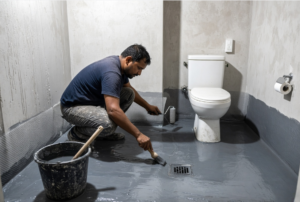
Bathroom tiles and grout should not be treated as the primary waterproofing barrier. If the waterproofing layer beneath the tiles is incomplete, damaged or insufficiently cured, leakage may develop after the bathroom is finished.
How to avoid it: Complete the specified waterproofing work, allow it to cure and conduct the required test before tiling. Protect the membrane from damage during tile installation.
8. Skipping Waterproofing Tests
A surface that looks dry does not automatically mean the waterproofing system is performing correctly. Skipping the specified test can allow defects to remain hidden beneath tiles, screed or other finishes.
How to avoid it: Agree on the test method and acceptance criteria before work starts. Where suitable, bathroom floors may undergo a controlled ponding test after the system has cured. Follow the product instructions and project specifications, and inspect adjoining areas for signs of leakage.
A successful test is useful evidence of performance under the test conditions, but it cannot guarantee that future plumbing connections or seals will never leak.
9. Applying Waterproofing Under Unsuitable Weather Conditions
Some coatings and membranes require specific surface temperatures, dry conditions or protection from rain during application and curing. Unexpected rainfall or excessive moisture can affect certain systems.
How to avoid it: Check the weather forecast and product requirements before scheduling exterior and terrace work. During Pune’s monsoon, plan for suitable dry periods and provide protection where the system permits it.
10. Accepting a Vague Quotation or Unclear Warranty
A low quotation may exclude essential work such as crack repairs, surface preparation, slope correction, testing, scaffolding or restoration. Similarly, a warranty may have exclusions that are not explained upfront.
How to avoid it: Ask for a written scope specifying:
- Areas to be treated.
- Product and waterproofing system.
- Surface preparation and crack repairs.
- Application method and number of coats.
- Curing and testing requirements.
- Included and excluded restoration work.
- Warranty period, coverage and exclusions.
Compare quotations based on the same scope of work rather than price alone.
What Happens When Waterproofing Is Done Incorrectly?
Poorly planned waterproofing may lead to recurring damp patches, peeling paint, damaged plaster, deterioration of finishes and repeated repair costs. In bathrooms, resolving a concealed problem may require removing tiles and reinstating the affected area.
The cost of a failed repair depends on the extent of damage and the source of leakage. Correct diagnosis and suitable preparation can help reduce the risk of unnecessary repeat work.
When Should You Call a Waterproofing Professional?
Consider a professional inspection when:
- Dampness returns after repainting.
- Water appears on the ceiling below a bathroom.
- Terrace leakage continues despite previous coating work.
- Exterior wall cracks recur or widen.
- Dampness appears near windows, balconies or concealed plumbing.
- You cannot determine the source of the leakage.
An inspection should focus on identifying the likely cause and selecting a repair method suited to the actual site conditions.
How Design Within Can Help
At Design Within, waterproofing is an important consideration in renovation planning because it affects plumbing, tiling, plaster, painting and the durability of finished interiors.
For homeowners in Pune, coordinating these activities in the correct sequence can help reduce avoidable rework and make it easier to inspect critical stages before they are concealed by finishes.
Whether you are planning a bathroom renovation, addressing wall dampness or repairing a leaking terrace, a clear scope of work and a suitable technical approach are essential.
Planning a renovation or dealing with leakage in your home? Visit Design Within to explore interior-design and renovation support.
At Design Within, we believe a beautiful interior should not only look good when it is completed — it should also perform well for years.
Before we dive into more details about designing your furniture, it might be helpful to estimate how much your interior design project could cost. Understanding your budget can help you make more informed decisions about what features to prioritize. To get a better idea, you can use our ‘interior design budget calculator’ budget calculator and start planning your dream home today.
Frequently Asked Questions
1. What is the most common waterproofing mistake?
Failing to identify the actual source of water entry is a common mistake. Treating only the visible damp patch may leave the underlying leakage unresolved.
2. Can waterproofing fail even when good-quality materials are used?
Yes. Poor surface preparation, incorrect application, unsuitable weather conditions, weak detailing and inadequate curing can affect performance even when the product itself is suitable.
3. Should waterproofing be done before bathroom tiling?
Yes. The specified waterproofing system should be completed and tested at the appropriate stage before tiles conceal it. Tiles and grout alone should not be relied upon as the waterproofing barrier.
4. Can I waterproof a terrace without correcting its slope?
That depends on the existing condition and the system’s requirements, but a waterproofing coating should not be assumed to solve poor drainage. Persistent ponding should be assessed and corrected where necessary.
5. How can I prevent exterior wall leakage during the monsoon?
Inspect cracks, window junctions, parapets and exterior finishes before the rainy season. Repair defects using compatible materials and schedule coating work under suitable application and curing conditions.
6. How do I know whether dampness comes from a plumbing leak or rainwater?
The location and pattern of dampness can provide clues, but they are not conclusive. Professional assessment may combine visual inspection, moisture measurements, thermal imaging and plumbing tests.
7. Is the cheapest waterproofing quotation a good choice?
Not necessarily. Compare the proposed system, preparation, application, testing, restoration and warranty. A lower price may reflect a narrower scope rather than equivalent work at a lower cost.
Final Thoughts
Waterproofing is most effective when the cause of leakage is understood, the right system is selected and every stage—from preparation to testing—is carried out correctly.
For Indian homeowners, avoiding these common mistakes can help protect the building, reduce repeat repairs and preserve the quality of interior finishes. Before approving waterproofing work, insist on a clear scope, suitable materials and a documented testing process.