Introduction to Lighting in Dining Rooms
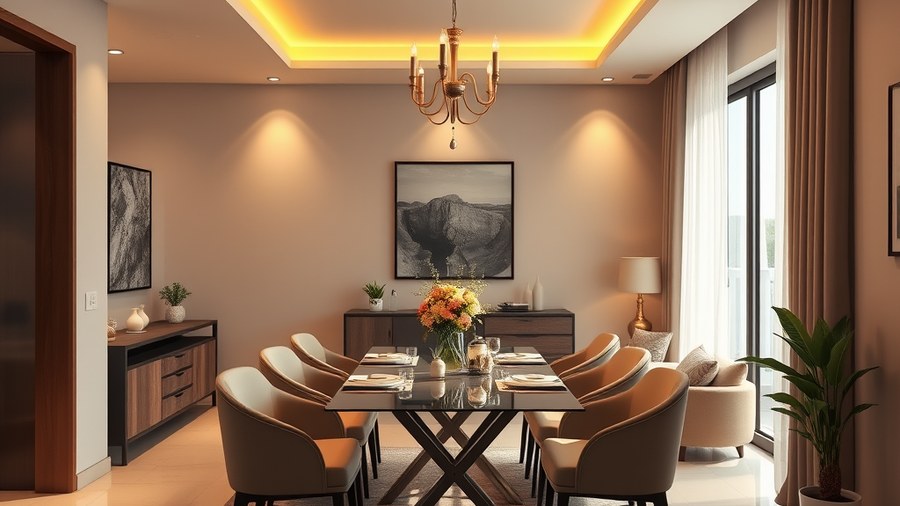
When it comes to designing the perfect dining room, one of the most crucial aspects to consider is lighting. The right lighting can make or break the ambiance of the space, affecting not just the aesthetic appeal but also the functionality. In Indian homes, where dining rooms often double as spaces for family gatherings and celebrations, getting the lighting right is especially important. Warm white lights and cool white lights are two common options, each with its own set of benefits and drawbacks. Understanding the differences between them can help homeowners make an informed decision that suits their needs and preferences.
The choice between warm white and cool white lighting largely depends on the desired ambiance and the activities that will take place in the dining room. For instance, warm white lights can create a cozy and intimate atmosphere, perfect for family dinners and special occasions. On the other hand, cool white lights can provide a brighter, more energizing environment, which might be more suitable for daily meals or for homes with an open-plan kitchen and dining area.
In the context of Indian homes, where meals are often elaborate and involve a variety of dishes, the lighting should complement the culinary experience. Warm white lights can enhance the appeal of the food, making the dining experience more enjoyable. However, for those who prefer a more modern and sleek look, cool white lights can offer a clean and minimalist aesthetic that complements modular kitchens and contemporary dining furniture.
Warm White Lights: The Traditional Choice
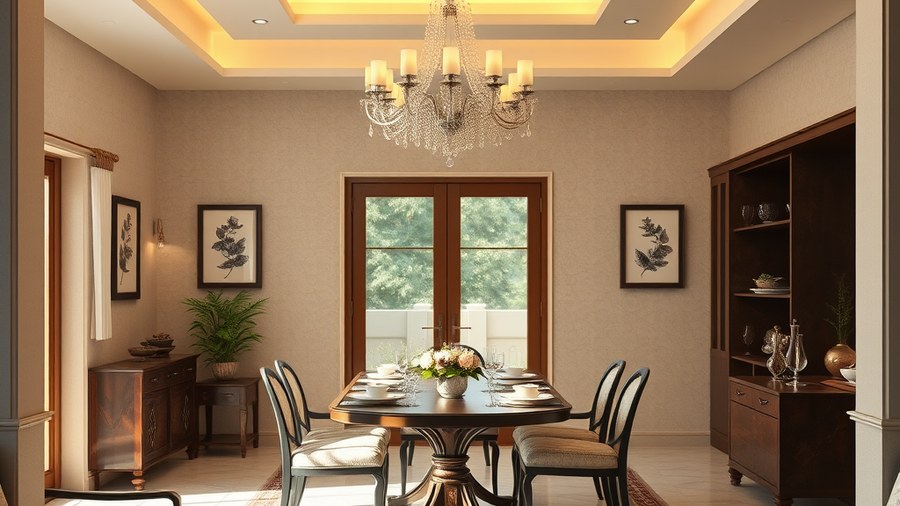
Warm white lights have been a traditional choice for dining rooms in many Indian homes. They emit a soft, yellowish glow that resembles the warmth of incandescent bulbs. This type of lighting can create a welcoming and cozy atmosphere, perfect for family gatherings and special occasions. Warm white lights are also known to make food look more appealing, which is a significant consideration in Indian cuisine where the presentation of dishes is an integral part of the dining experience.
One of the advantages of warm white lights is their ability to create a sense of warmth and comfort. They can make a dining room feel more intimate and inviting, which is especially beneficial in larger spaces or in homes with high ceilings. Additionally, warm white lights can help to create a sense of harmony and balance, which is in line with the principles of Vastu Shastra, an ancient Indian system of architecture that emphasizes the importance of balance and harmony in the design of living spaces.
However, warm white lights may not be the best choice for every dining room. In spaces with a lot of natural light, warm white lights might not be necessary, and cool white lights could provide a more refreshing contrast. Moreover, for those who prefer a more modern and sleek aesthetic, warm white lights might not be the best fit, as they can sometimes give a space a more traditional or outdated look.
Cool White Lights: The Modern Alternative
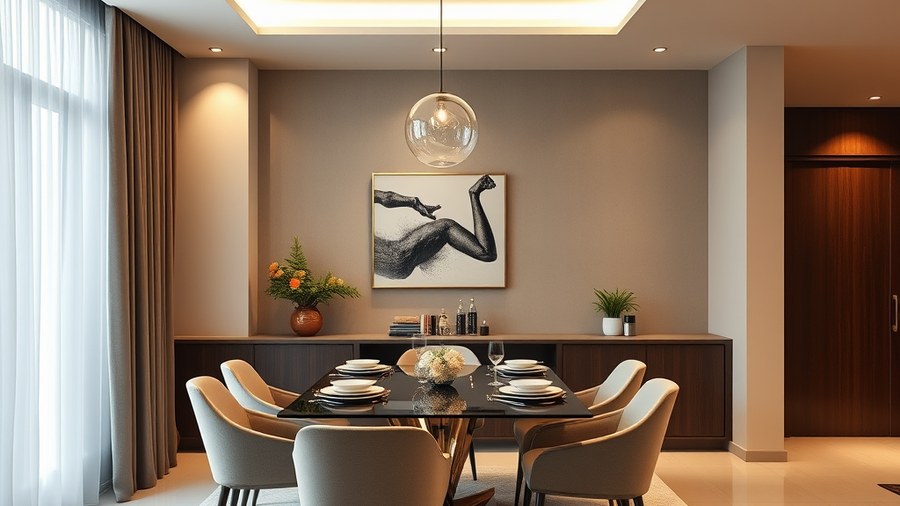
Cool white lights offer a modern and sleek alternative to traditional warm white lighting. They emit a bright, bluish glow that can make a space feel more energizing and vibrant. Cool white lights are often preferred in contemporary homes, especially those with open-plan kitchens and dining areas, as they can help to create a sense of continuity and flow between different spaces.
One of the benefits of cool white lights is their ability to provide better task lighting. They can help to illuminate specific areas, such as the dining table or a kitchen counter, making it easier to perform tasks like cooking or reading. Cool white lights are also more energy-efficient than warm white lights, which can be a significant consideration for homeowners looking to reduce their energy consumption and environmental impact.
However, cool white lights might not be the best choice for every dining room. In spaces that are used primarily for relaxation and leisure, cool white lights might be too harsh and could interfere with the body’s production of melatonin, a hormone that regulates sleep. Moreover, in homes with a more traditional decor, cool white lights might clash with the existing aesthetic, creating a sense of discord and imbalance.
Making the Right Choice for Your Dining Room
Ultimately, the choice between warm white and cool white lights for your dining room depends on your personal preferences, lifestyle, and the specific needs of your space. It’s essential to consider factors like the size of the room, the amount of natural light it receives, and the type of activities that will take place there. By weighing these factors and understanding the benefits and drawbacks of each type of lighting, you can make an informed decision that enhances the functionality and aesthetic appeal of your dining room.
For many Indian homeowners, a combination of both warm and cool white lights might be the most effective solution. This approach can provide the best of both worlds, offering a warm and inviting ambiance for special occasions while also providing the necessary task lighting for daily meals and activities. By mixing and matching different types of lighting, homeowners can create a unique and functional space that meets their specific needs and reflects their personal style.
Before finalizing your lighting plan, it’s also crucial to consider the overall budget for your interior design project. Understanding your budget constraints can help you make more informed decisions about the types of lighting fixtures and other design elements to include in your dining room. To get a better estimate of your project costs, consider using a budget calculator tool, available at interior design budget calculator, which can provide you with a more accurate assessment of your expenses and help you plan your design project more effectively.
Conclusion: Finding the Perfect Balance
In conclusion, the decision between warm white and cool white lights for your dining room is not just about personal preference; it’s about creating a space that is functional, aesthetically pleasing, and reflective of your lifestyle and traditions. By understanding the benefits and drawbacks of each type of lighting and considering factors like the size of the room, the amount of natural light, and the type of activities that will take place there, you can create a dining room that is perfect for you and your family.
Whether you opt for warm white lights, cool white lights, or a combination of both, the key to a successful design is finding the right balance. This involves not just the lighting but also other design elements like furniture, color schemes, and decorative items. By achieving this balance, you can create a dining room that is not just a place to eat but a space where memories are made and cherished.
At Design Within, we understand the importance of lighting in interior design and are committed to helping our clients create spaces that are both beautiful and functional. Whether you’re looking to redesign your dining room or embark on a full-scale interior design project, our team of experts is here to guide you every step of the way, ensuring that your vision becomes a reality.