Introduction
Choosing an interior design style is about more than deciding how your home should look.
Your choice affects storage, furniture, materials, maintenance, lighting, budget and how the home feels to live in.
Two popular approaches are minimalist and luxury interior design. They may appear very different, but both can create sophisticated and comfortable homes when planned properly.
The important question isn’t which style is better.
It is which style works better for your lifestyle, space and priorities.
What Is Minimalist Interior Design?
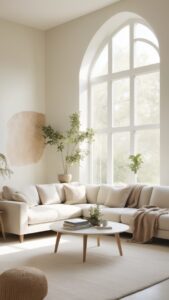
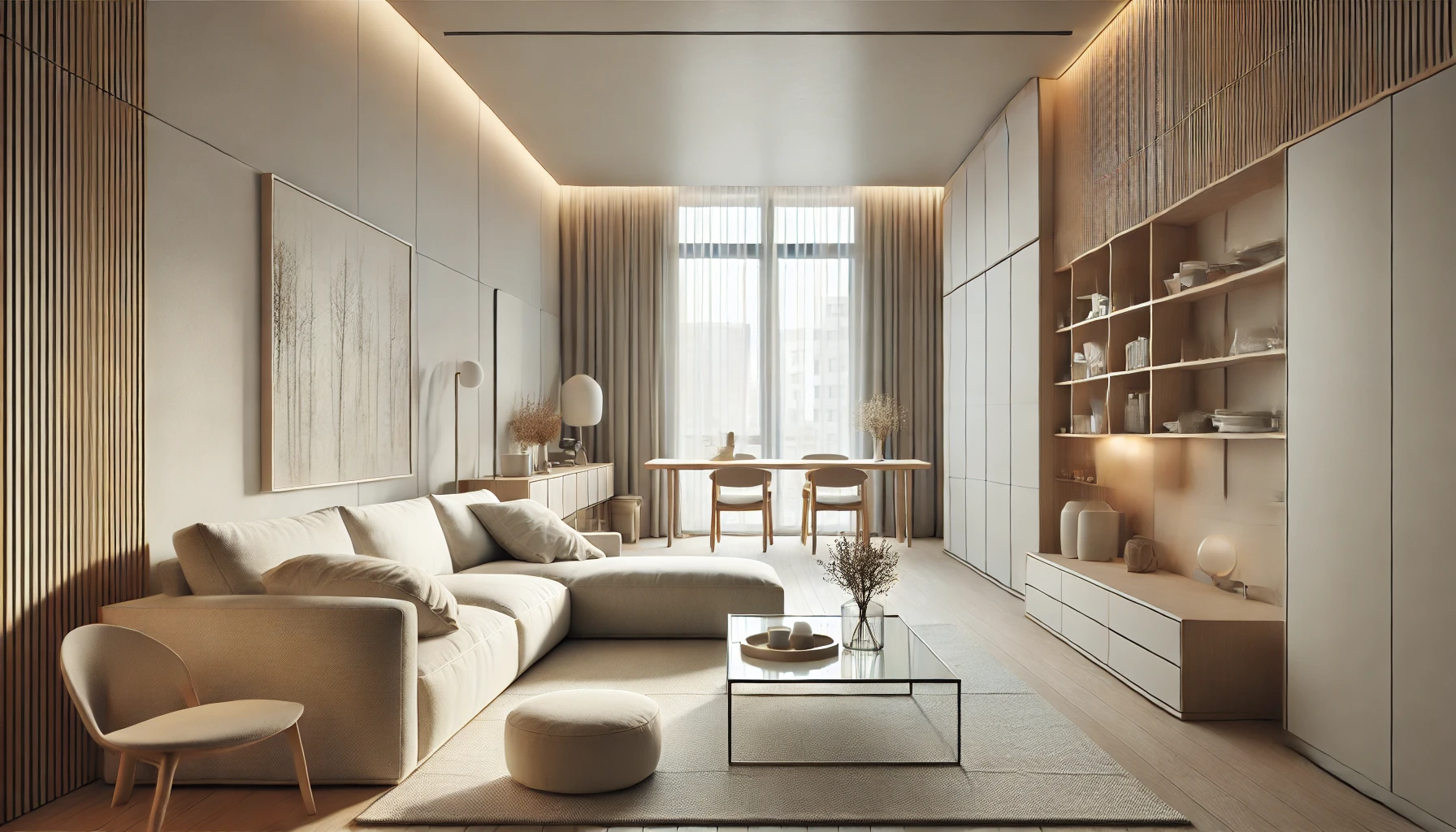
Minimalist interiors focus on simplicity, functionality and visual clarity.
Typical characteristics include:
- Clean lines
- Simple furniture
- Limited decoration
- Neutral or restrained colour palettes
- Integrated storage
- Open visual spaces
- Minimal visual clutter
- Functional design
Minimalism does not mean having an empty house.
A well-designed minimalist home can actually have substantial storage—the storage is simply integrated discreetly into the design.
What Is Luxury Interior Design?
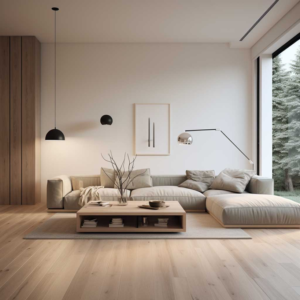
Luxury interiors focus on a richer combination of materials, detailing, comfort and visual impact.
Common elements include:
- Premium materials
- Statement furniture
- Decorative lighting
- Custom detailing
- Rich textures
- Stone and wood finishes
- Layered lighting
- Bespoke elements
Luxury doesn’t necessarily mean excessive decoration.
A contemporary luxury home can still have clean lines and a restrained colour palette while using premium materials and carefully executed details.
Minimalist vs Luxury: Key Differences
| Aspect | Minimalist | Luxury |
|---|---|---|
| Overall look | Clean and understated | Rich and detailed |
| Furniture | Simple and functional | Statement and often custom |
| Colours | Neutral and restrained | Neutral, rich or contrasting |
| Materials | Simple, practical finishes | Premium and distinctive finishes |
| Decor | Limited | More layered |
| Lighting | Functional and subtle | Layered and decorative |
| Storage | Usually concealed/integrated | Can be integrated or feature-based |
| Maintenance | Often easier | Can require more attention |
| Budget | Can be more controlled | Can range from moderate to very high |
| Visual character | Calm and uncluttered | Dramatic and sophisticated |
Minimalist Interior Design: Advantages
1. Cleaner Visual Appearance
Fewer visual elements can make a home feel calmer and more organized.
2. Better for Compact Spaces
Simple furniture and integrated storage can work particularly well in apartments and smaller homes.
3. Easier Maintenance
Fewer decorative elements generally mean fewer surfaces and objects requiring regular cleaning.
4. Timeless Appeal
A restrained palette and simple forms can remain relevant even as trends change.
5. Focus on Function
Every element is expected to serve a purpose rather than simply occupy space.
Potential Disadvantages of Minimalism
Minimalism can go wrong if simplicity becomes emptiness.
Common problems include:
- Insufficient storage
- Lack of warmth
- Too many plain surfaces
- A visually sterile atmosphere
- Removing useful elements simply to achieve a “minimal” appearance
Good minimalism is intentional simplicity, not simply having less furniture.
Luxury Interior Design: Advantages
1. Strong Visual Impact
Premium materials, lighting and detailing can create a distinctive interior.
2. Greater Material Variety
Luxury design allows combinations of stone, wood, metal, glass, fabrics and decorative finishes.
3. Customization
Furniture, storage, lighting and architectural details can be tailored more specifically to the homeowner.
4. Greater Emphasis on Comfort
Luxury interiors often give greater attention to seating, lighting, acoustics, entertainment and other comfort features.
5. Strong Sense of Personality
Statement materials, artwork and bespoke elements can make the home feel highly personalized.
Potential Disadvantages of Luxury Design
Luxury interiors require greater discipline than simply adding expensive materials.
Problems can arise when:
- Too many finishes compete with each other
- Decorative elements overwhelm the space
- Maintenance is underestimated
- Expensive materials are used where they provide little benefit
- The design prioritizes appearance over functionality
Expensive does not automatically mean luxurious.
Proportion, craftsmanship, lighting and material coordination are what create a genuinely refined interior.
Which Style Is Better for a Small Apartment?
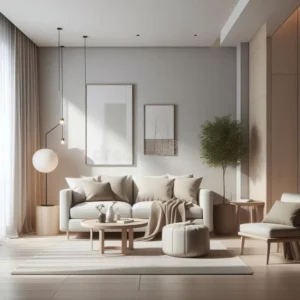
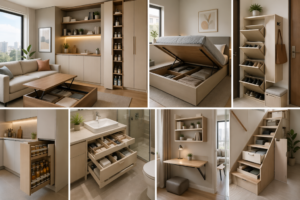
For compact apartments, minimalist principles are often easier to apply because they prioritize:
- Efficient storage
- Clean circulation
- Visually lighter furniture
- Limited clutter
- Simpler finishes
However, this does not mean a small apartment cannot look luxurious.
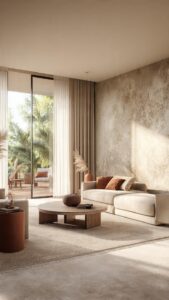
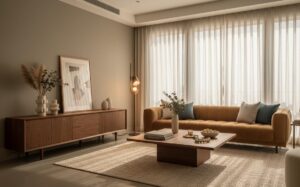
A minimalist luxury approach can combine simple forms with premium materials, sophisticated lighting and carefully selected statement elements.
This is often more effective than trying to make a compact home look grand through excessive decoration.
Which Style Is Better for a Large Home?
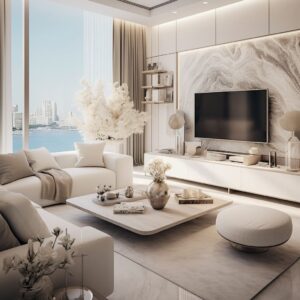
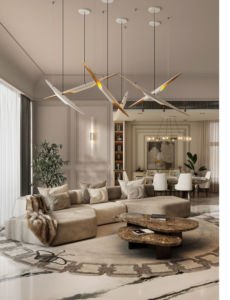
Larger homes provide more flexibility.
Luxury design can take advantage of:
- Larger feature walls
- Statement lighting
- Spacious furniture arrangements
- Custom architectural elements
- Larger dining and entertainment areas
Minimalism can also work extremely well in larger homes by emphasizing proportion, space and architectural details.
The size of the home does not determine the style.
What About Budget?
Neither style has one fixed price.
A minimalist home can become expensive if it uses custom cabinetry, premium veneers, imported stone and highly detailed workmanship.
Likewise, a luxury-looking interior can be created with carefully selected materials without using premium products everywhere.
Instead of asking:
“Which style is cheaper?”
ask:
“Where should I spend my budget?”
For example, investing in good storage, comfortable furniture, lighting and durable finishes may provide more value than spending heavily on decorative surfaces.
How to Choose the Right Style
Choose minimalist if you prefer:
- Clean and uncluttered spaces
- Easy maintenance
- Functional furniture
- Simple colours
- Concealed storage
- A calm visual environment
Choose luxury if you prefer:
- Rich materials
- Detailed finishes
- Statement furniture
- Layered lighting
- Custom design
- A more dramatic atmosphere
Choose a minimalist-luxury hybrid if you want:
- Clean architecture
- Premium materials
- Minimal clutter
- Sophisticated lighting
- Comfortable furniture
- A refined but not overly decorated interior
This hybrid approach is particularly effective for contemporary Indian apartments.
Common Mistakes to Avoid
Making minimalism too empty
A home still needs warmth, personality and practical storage.
Assuming luxury means expensive everywhere
Premium materials should be used strategically rather than indiscriminately.
Copying an Instagram or Pinterest interior
A reference image may look beautiful but may not suit your home’s dimensions, lighting or lifestyle.
Ignoring maintenance
Highly textured, delicate or reflective finishes may require more upkeep.
Prioritizing style over function
No matter how attractive the interior looks, inadequate storage, poor lighting or uncomfortable furniture will eventually become frustrating.
Final Thoughts
There is no universal winner between minimalist and luxury interior design.
Minimalism prioritizes simplicity and function, while luxury emphasizes material richness, comfort and detailing.
The best choice depends on how you live, how much maintenance you are willing to handle, your available space and where you want to invest your budget.
And you don’t necessarily have to choose one extreme.
A thoughtfully designed minimalist-luxury interior can provide the clean visual quality of minimalism while adding the warmth, material richness and sophistication associated with luxury design.
Ultimately, the best interior style is not the one that looks most impressive in a photograph.
It is the one that continues to work beautifully for you every day.
At Design Within, we believe a beautiful interior should not only look good when it is completed — it should also perform well for years.
Before we dive into more details about Minimalist vs Luxury Interior Design, it might be helpful to estimate how much your interior design project could cost. Understanding your budget can help you make more informed decisions about what features to prioritize. To get a better idea, you can use our ‘interior design budget calculator’ budget calculator and start planning your dream home today.
Frequently Asked Questions
1. Which is better: minimalist or luxury interior design?
Neither is universally better. Minimalism suits people who value simplicity and easy maintenance, while luxury may suit those who prefer richer materials, customization and visual detailing.
2. Is minimalist interior design cheaper than luxury design?
Not necessarily. Minimalism can still involve expensive custom furniture, premium finishes and high-quality materials. However, its restrained approach can make it easier to control where the budget is spent.
3. Can a minimalist home look luxurious?
Yes. Premium materials, sophisticated lighting, high-quality furniture and careful detailing can create a luxurious feel without adding excessive decoration.
4. Is minimalist design suitable for Indian apartments?
Yes. Its focus on efficient storage, clean circulation and limited visual clutter can work particularly well in apartments where space is limited.
5. Can luxury interior design work in a small apartment?
Yes, but restraint is important. Too many decorative elements can make a compact apartment feel crowded. A minimalist-luxury approach is often more effective.
6. Does luxury interior design require expensive materials?
No. Luxury is influenced by proportion, craftsmanship, lighting, detailing and material coordination—not simply the price of individual products.
7. Which style is easier to maintain?
Minimalist interiors are generally easier to maintain because they usually contain fewer decorative elements and simpler surfaces. However, the actual maintenance depends on the materials selected.
8. What is minimalist-luxury interior design?
It combines the clean forms and restrained visual language of minimalism with premium materials, sophisticated lighting, custom detailing and greater emphasis on comfort.
9. How do I choose an interior style for my home?
Consider your lifestyle, home size, storage requirements, maintenance expectations, preferred materials and budget. Your interior designer should also consider the architecture and natural lighting of the space.
10. Can I combine minimalist and luxury interiors?
Yes. Combining the two can create a sophisticated interior with clean architecture, limited clutter, premium materials and carefully selected statement elements.