Understanding the Mood of a Hallway
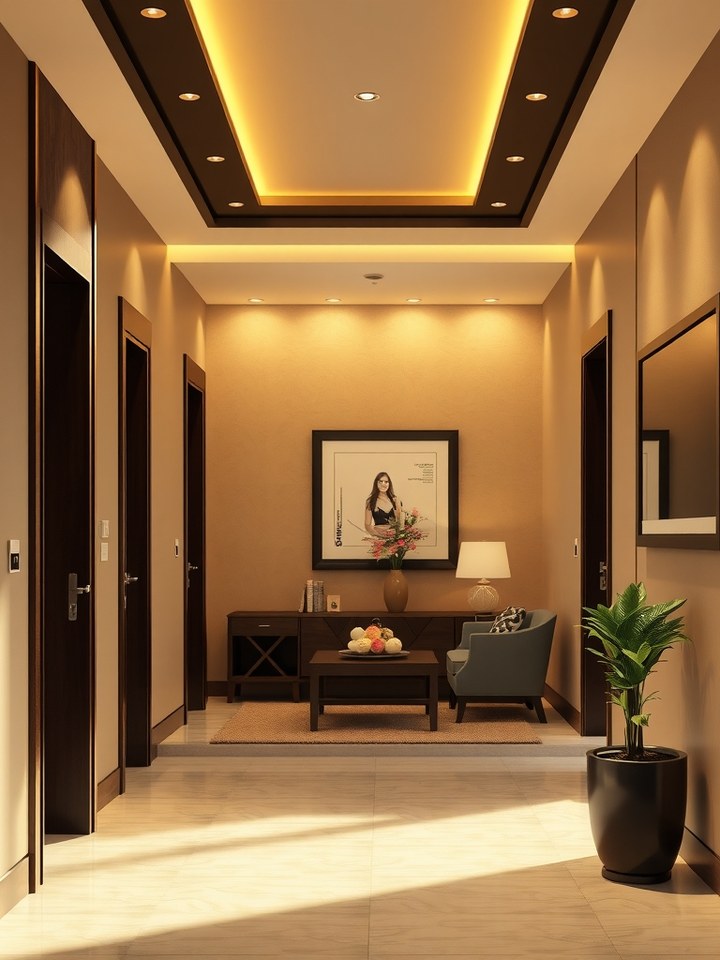
Hallways are the first impression guests get of your home. In Indian apartments, especially 2BHK and 3BHK layouts, the hallway often connects the living room, kitchen, and bedrooms, making it a high‑traffic zone. A calm hallway sets a soothing tone, reduces visual clutter, and can even influence the flow of energy, which is important for Vastu‑compliant homes.
When you step into a hallway, the materials on the walls play a pivotal role in how you feel. Smooth, reflective surfaces can feel cold, while overly busy textures may overwhelm the senses. The challenge for designers at Design Within is to choose finishes that balance aesthetics, durability, and tranquility.
Fluted Wooden Panels: Nature’s Soft Lines
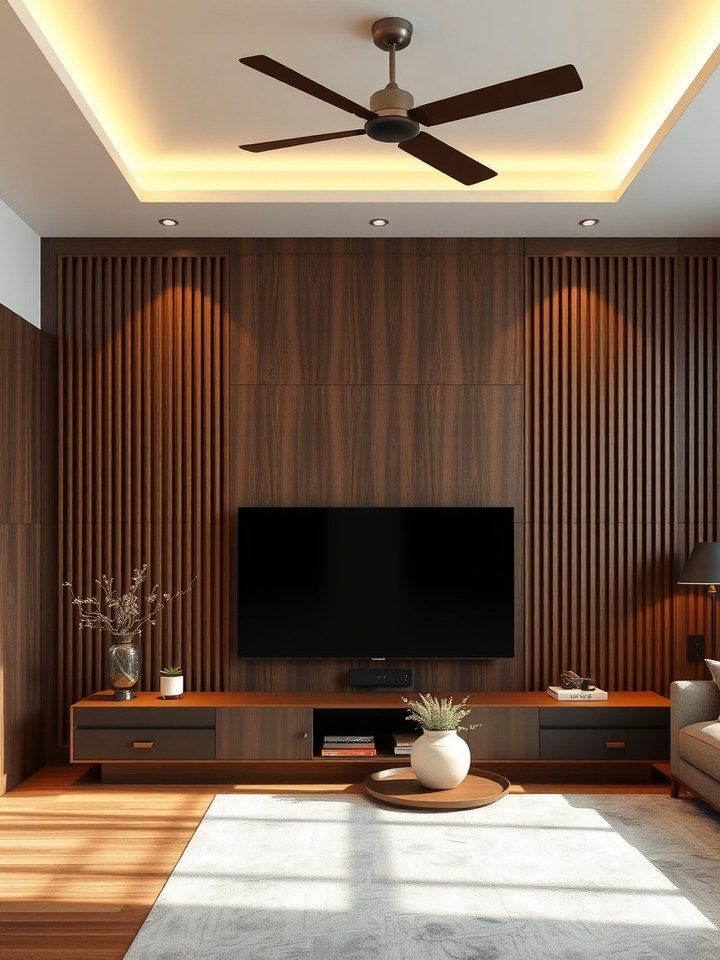
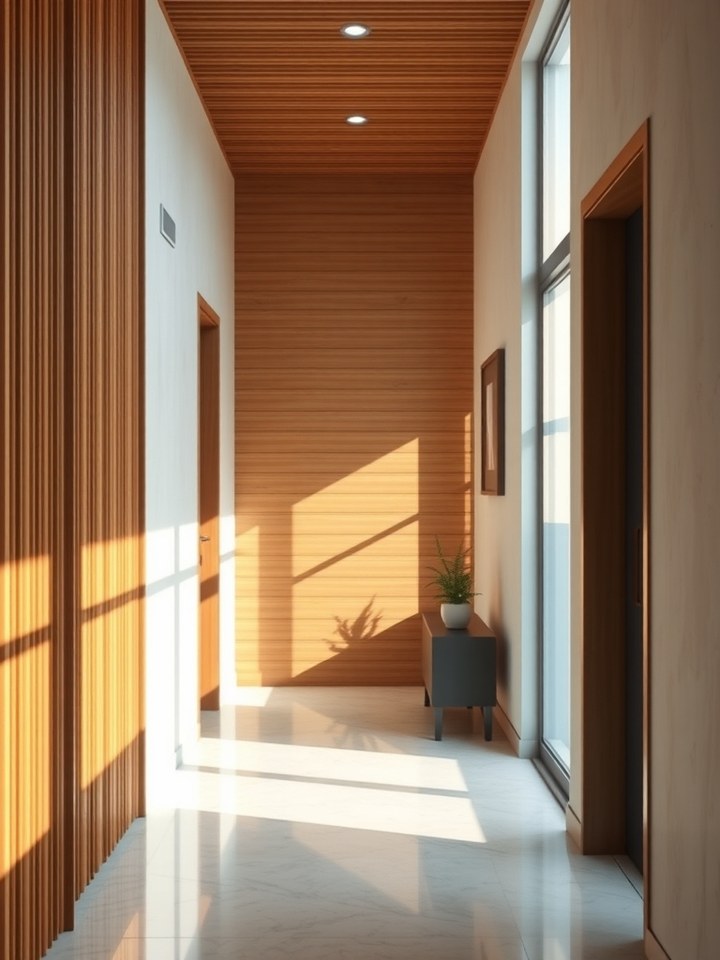
Fluted wooden panels are thin, vertical slats that create a subtle ribbed pattern. The natural grain of wood adds warmth, and the vertical lines naturally draw the eye upward, giving the illusion of higher ceilings—a welcome effect in compact Pune apartments.
Because wood is a natural material, it absorbs sound better than hard plaster, reducing echo in narrow corridors. This acoustic benefit contributes to a calmer ambiance, especially when the hallway is adjacent to a bustling kitchen where spices and chatter are common.
Design Flexibility
Fluted panels can be stained in light oak, teak, or even painted in muted pastel shades to match a modern Indian interior. Pairing them with soft LED strip lighting along the top edge creates a gentle glow that enhances the calming effect.
For families who love traditional Indian décor, you can combine fluted panels with handcrafted wooden artifacts or a small wall-mounted shelf for incense sticks, keeping the space functional without clutter.
Textured Plaster: Subtle Depth Without the Weight
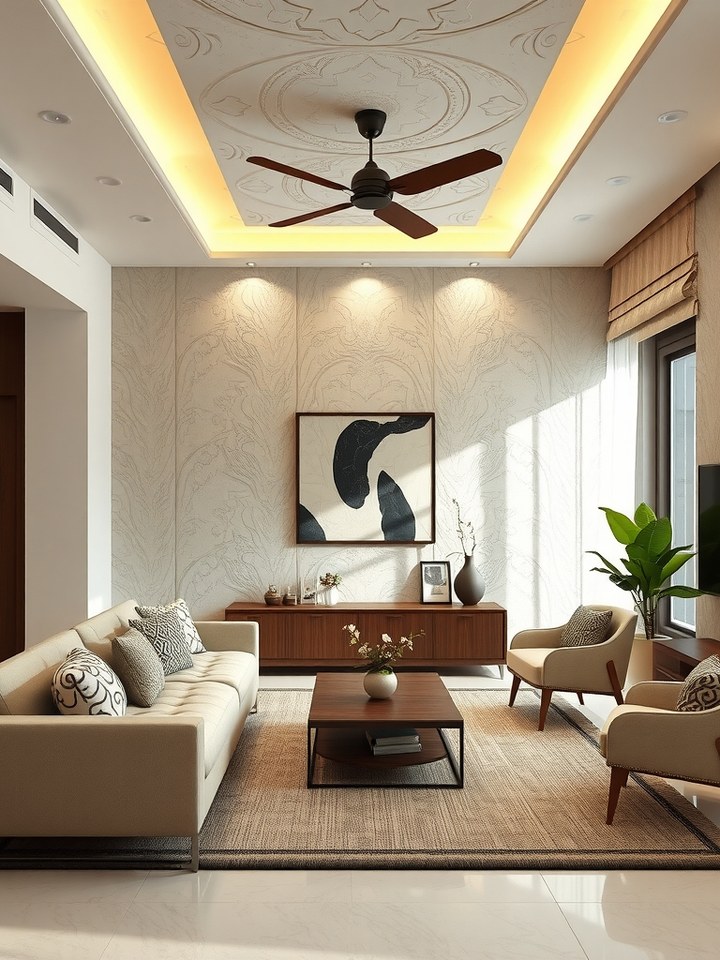
Textured plaster, also known as stucco, offers a matte finish with gentle undulations. In Pune’s humid climate, plaster is breathable, helping walls stay dry and preventing mold—a practical advantage for hallways near kitchens.
The tactile quality of plaster adds visual interest without the shine of glossy paint. When applied in soft, earthy tones like warm beige or muted sage, it creates a serene backdrop that complements both contemporary and classic Indian interiors.
Low Maintenance Benefits
Unlike wood, plaster does not require regular polishing or sealing. A simple wash with a mild detergent keeps it looking fresh, which is ideal for busy households where the hallway sees constant foot traffic.
Because plaster can be easily repaired with a patch, any accidental dents from moving furniture or a stray shoe are quick fixes, preserving the hallway’s calm appearance over time.
Comparing Calmness: Visual and Sensory Impact
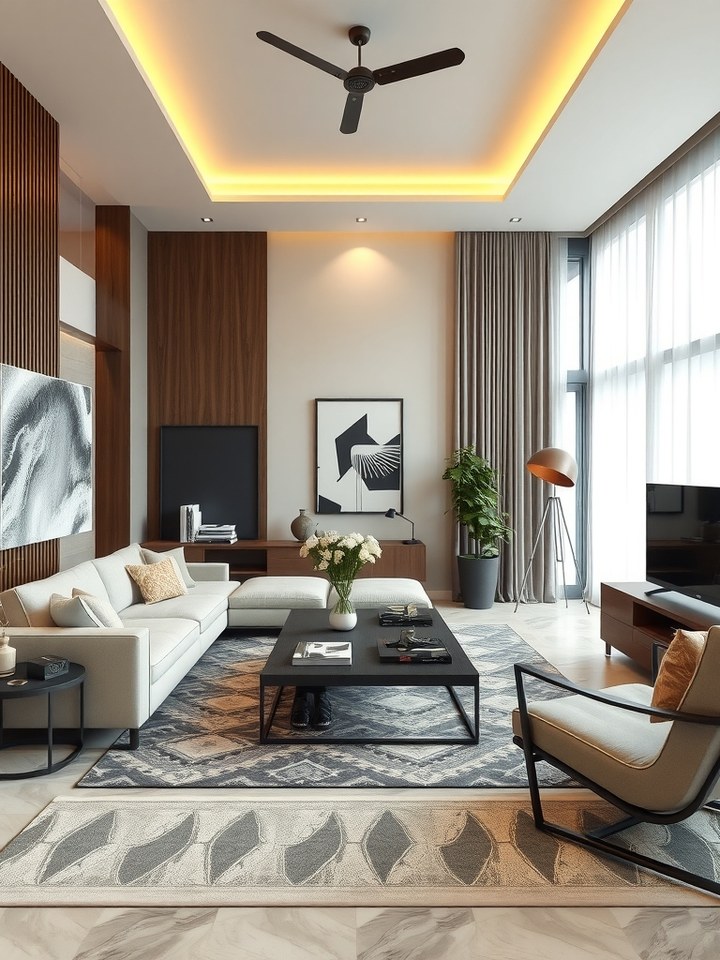
Visually, fluted wood introduces a warm, organic texture that can make a hallway feel inviting, while textured plaster offers a softer, more understated backdrop. The choice depends on the overall mood you wish to create. If you prefer a cozy, nature‑inspired vibe, wood wins. For a minimalist, airy feel, plaster takes the lead.
From a sensory standpoint, wood’s natural sound‑absorbing qualities reduce echo, which is especially beneficial in narrow Indian corridors. Plaster, on the other hand, maintains a cooler temperature, which can be refreshing during Pune’s hot summers.
Cost Considerations
Fluted wooden panels are generally higher in cost due to material and installation labor. However, the long‑term value includes durability and the premium feel that can increase property resale value.
Textured plaster is more budget‑friendly and quicker to apply. For homeowners on a tight budget, plaster provides a calm aesthetic without compromising on quality.
Integrating Hallway Design with the Rest of the Home
When you choose a finish, think about continuity. A wooden panel hallway pairs beautifully with a modular kitchen featuring wooden cabinets and warm lighting. Conversely, a plastered hallway blends seamlessly with a sleek, white‑washed living room and pastel accents common in many Pune apartments.
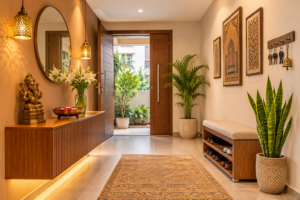
Consider adding simple décor elements like a narrow console table for keys, a decorative mirror to amplify light, or a small indoor plant. These touches enhance calmness without overcrowding the space.
Vastu Tips for a Peaceful Passage
According to Vastu, the hallway should face east or north to invite positive energy. Light, neutral colors on walls—whether wood or plaster—support this principle. Avoid dark, heavy hues that can make the passage feel oppressive.
Keeping the hallway clutter‑free and well‑lit is essential. A well‑placed ceiling fan or wall‑mounted fan can improve air circulation, especially important in Indian homes where cooking aromas travel through the corridor.
Ready to estimate how much your hallway makeover might cost? Use our quick calculator to get a personalized budget based on your square footage, material choice, and finish level. interior design budget calculator
Final Thoughts: Choose What Resonates With Your Lifestyle
Both fluted wooden panels and textured plaster can create a calmer hallway, but the best choice aligns with your aesthetic preferences, budget, and maintenance comfort. At Design Within, we tailor each solution to suit the unique rhythm of Indian homes, ensuring your hallway becomes a serene gateway rather than a forgotten passage.
Contact us today to discuss your vision, and let’s transform your hallway into a space that welcomes calm, comfort, and style.