Understanding the Bright Foyer Trend
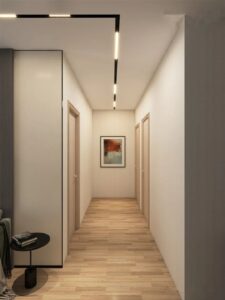
The bright foyer trend, popularised by Western magazines, champions stark white walls, glossy flooring and an abundance of natural light. It promises a spacious, minimalist first impression that feels modern and airy. While this aesthetic looks stunning in loft apartments abroad, Indian homes present a different set of challenges.
In Pune, most residential units are 2.5BHK or 3BHK or 4BHK apartments with modest entryways. The foyer often doubles as a shoe rack, a place for umbrellas, and a transition zone for families returning from work or school. A purely white, highly reflective space can feel cold, amplify dust, and clash with the vibrant, lived‑in vibe that Indian families cherish.
Why Bright Foyers Falter in Indian Context
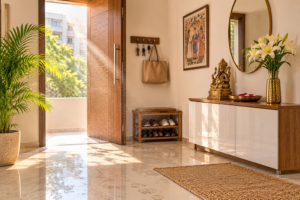
Climate and Light – Pune experiences hot summers, monsoons and cooler winters. Large windows that flood a foyer with harsh sunlight can quickly turn the area uncomfortably warm, especially when the entry is directly exposed to the street. White surfaces reflect heat, making the space feel hotter rather than cooler.
Dust and Maintenance – Indian streets generate more dust than many Western cities. A gleaming white floor or wall shows every speck, demanding constant cleaning. For busy families, this becomes a practical nightmare rather than a design triumph.
Cultural Warmth – Indian homes are social hubs. Guests are welcomed with colourful rangolis, traditional artefacts and family photographs. A stark white foyer can feel uninviting, lacking the warmth that Indian hospitality thrives on.
Vastu Considerations for the Entryway
Vastu Shastra, the ancient Indian science of architecture, places great importance on the entrance. The main door is considered the mouth of the house, channeling energy (prana) into the interior. A bright, overly reflective foyer can disrupt this flow, creating a sense of restlessness.
According to Vastu, the entry should be welcoming, grounded and balanced. Earthy tones, natural textures and subtle lighting help stabilise energy, encouraging prosperity and harmony for the occupants.
Alternative Design Strategies That Work
1. Warm Neutral Palette
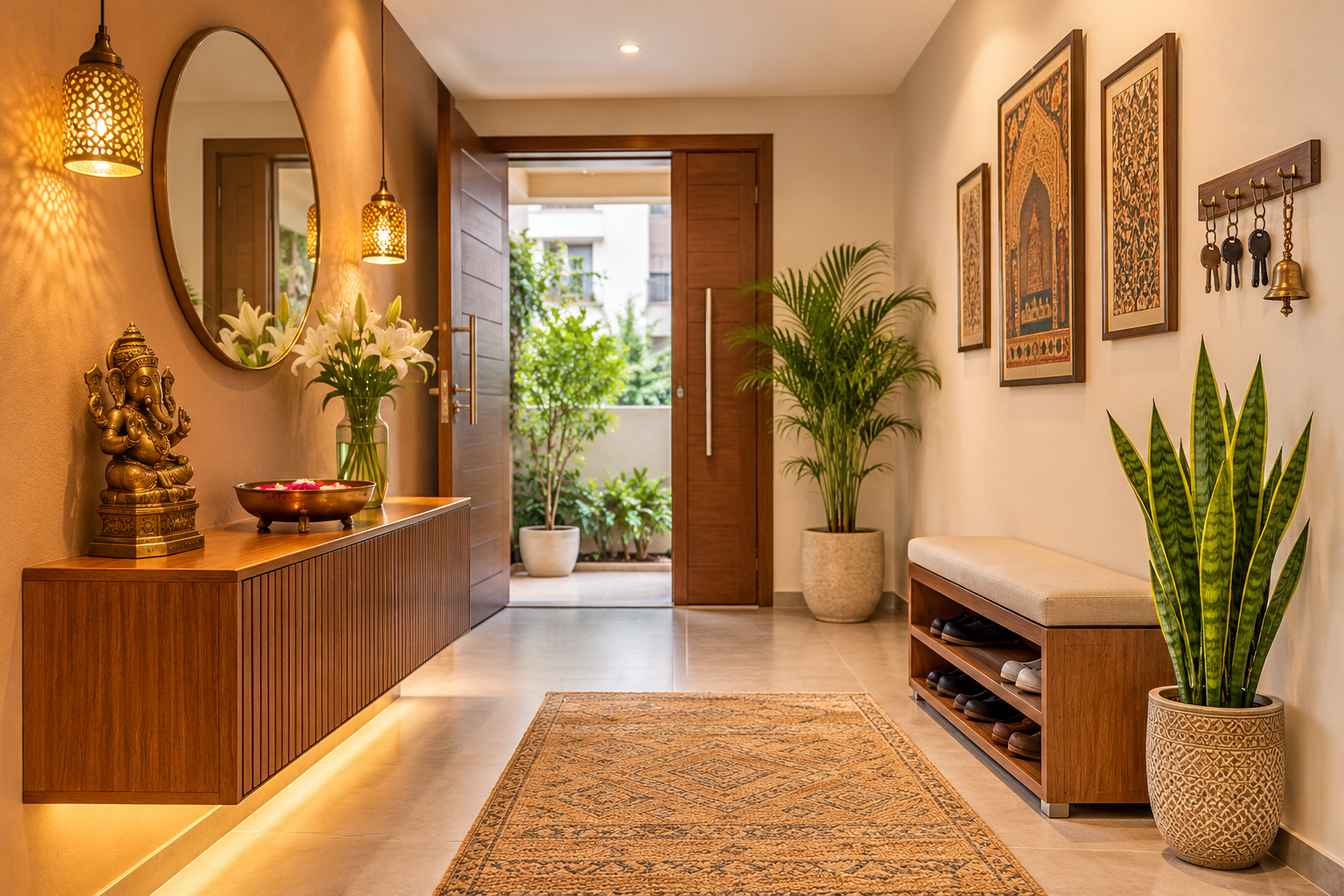
Swap the stark white for warm neutrals like sand, muted terracotta or soft beige. These shades absorb heat, hide dust and create a cosy backdrop for decorative pieces. Pair them with a matte finish floor – such as polished concrete or textured tiles – to add depth without glare.
In a typical 2BHK layout, a warm neutral foyer can seamlessly transition into the living room, making the space feel larger while retaining a homely feel.
2. Textured Flooring
Instead of glossy marble, consider natural stone, patterned ceramic tiles or reclaimed wood. Textured surfaces hide footprints and dust, and they add tactile interest that invites guests to pause.
For families with kids, a low‑pile rug in a subtle pattern can protect the floor and provide a comfortable spot for shoes to be removed.
3. Layered Lighting
Combine ambient ceiling lights with wall sconces or a statement pendant. Warm LED bulbs (2700‑3000K) mimic natural light without the harshness of daylight. Dimmers let you adjust the mood for evenings, festivals or quiet mornings.
In a 3BHK home, a well‑lit foyer can act as a visual cue, guiding residents toward the kitchen or living area without overwhelming the senses.
4. Functional Decor
Introduce functional pieces that double as décor – a stylish shoe rack made of bamboo, a woven basket for keys, or a compact console with storage. These items keep clutter at bay while adding texture and colour.
Traditional Indian elements like a small brass pooja shelf or a handcrafted wall hanging can infuse cultural identity without sacrificing modern aesthetics.
5. Green Touches
Plants are a natural way to soften a space. A tall snake plant or a pothos in a decorative pot adds a breath of fresh air, improves indoor air quality, and introduces a splash of green that balances any neutral palette.
Place the plant near the entry door where it can thrive on indirect light, creating a welcoming, lived‑in vibe.
Designing for Indian Cooking Habits
Many Pune homes feature modular kitchens that open directly onto the foyer or dining area. The scent of spices, steam from a pressure cooker, and occasional splatter are part of daily life. A bright, white foyer can quickly show stains and become a visual reminder of mess.
Choosing washable, stain‑resistant materials – such as glazed ceramic tiles with a subtle pattern – ensures the foyer stays fresh even when the kitchen door is frequently opened.
Budget‑Friendly Ways to Refresh Your Foyer
Revamping a foyer doesn’t require a full renovation. A fresh coat of warm‑toned paint, a new rug, and a couple of decorative storage pieces can transform the space for under ₹15,000. For larger budgets, consider custom built‑in shelving that matches the rest of the interior, or upgrade to a textured stone floor.
Remember, the goal is to create a welcoming, functional entry that reflects your lifestyle and cultural values, not just to follow a fleeting trend.
Ready to see how much your dream foyer could cost? Use our budget calculator to get an instant estimate and start planning your perfect entryway today: interior design budget calculator“>Estimate My Project Budget.
Conclusion: Embrace a Tailored Approach
The bright foyer trend may look impressive in glossy magazines, but it often clashes with the practical, cultural, and climatic realities of Indian homes. By opting for warm neutrals, textured flooring, layered lighting, functional decor and a touch of greenery, you create an entry that feels both modern and deeply Indian.
At Design Within, we specialise in crafting residential interiors that respect Vastu principles, celebrate local traditions and stay within your budget. Contact us to discuss how we can redesign your foyer into a space that welcomes you and your guests with warmth and style.