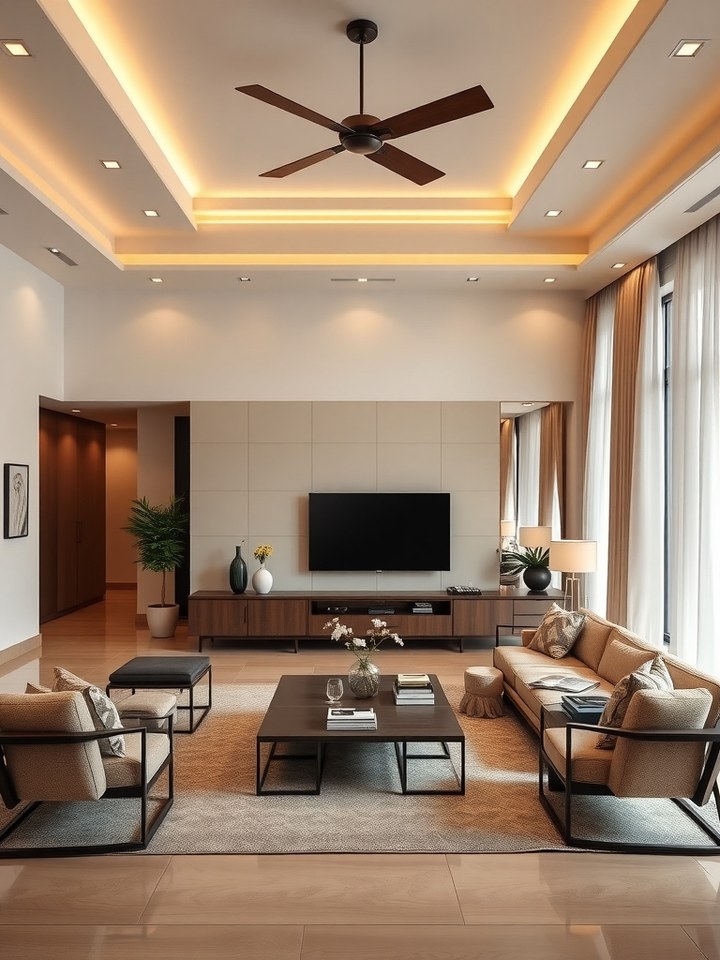
Understanding the 3–4 Month Timeline
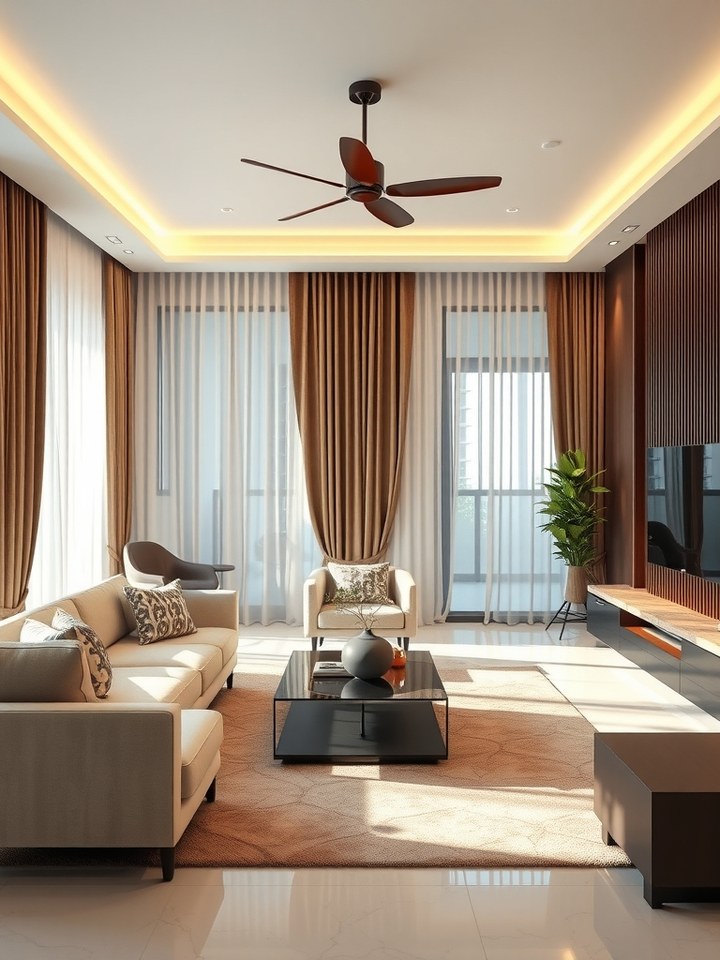
When you hear that a full‑home interior makeover takes three to four months, it can feel like a long wait. In reality, that period covers a series of essential steps—concept development, design finalisation, procurement, and execution—each of which demands careful coordination. Skipping any of these phases can lead to costly re‑work, especially in Indian homes where space utilisation and lifestyle habits are unique.
For a typical 3BHK or 4BHK flat in Pune, the timeline also accounts for local supply chains, custom furniture fabrication, and the need to accommodate Indian cooking rituals in the kitchen. These factors add layers of complexity that a rushed project often overlooks.
Phase 1: Concept & Consultation (1–1.5 weeks)
During the first two weeks, our designers sit down with you to understand your lifestyle, colour preferences, and functional needs. We take detailed measurements of every room, note the direction of natural light, and discuss Vastu considerations if required. This groundwork prevents later surprises, such as discovering that a modular kitchen layout clashes with the existing plumbing.
We then present mood boards, material samples, and preliminary layouts. Homeowners in Pune often request space‑saving solutions for balconies that double as dining areas, and we incorporate those ideas early on.
Phase 2: Design Development (1.5–3 weeks)
Once the concept is approved, our team creates detailed floor plans, 3D visualisations, and a comprehensive material schedule. This stage includes finalising cabinetry designs for the kitchen, selecting tiles that can withstand heavy foot traffic, and choosing fabrics that suit the monsoon climate.
Because Indian families frequently host gatherings, we pay special attention to seating arrangements and storage for extra crockery. The design development phase ensures that every element— from lighting fixtures to custom wardrobes— aligns with the client’s budget and timeline.
Phase 3: Procurement & Fabrication (4–5 weeks)
After the design is locked, we place orders with trusted suppliers in Pune and surrounding regions. Lead times for imported finishes, hand‑crafted woodwork, or specialty tiles can range from two to four weeks. By ordering in bulk and leveraging our long‑term vendor relationships, we often shave a week or two off the schedule.
Simultaneously, our in‑house workshop begins fabricating modular kitchen cabinets, wardrobes, and any bespoke furniture. Regular site visits keep the production on track and allow us to address any adjustments before installation begins.
Phase 4: Site Execution (5–6 weeks)
The installation crew starts with demolition (if needed), followed by civil work, electrical, and plumbing. In Indian homes, coordinating with the building’s maintenance team and obtaining necessary permissions can add a few days, but we plan for these contingencies.
Next comes the placement of tiles, plastering, painting, and finally the installation of furniture, fixtures, and accessories. Our team conducts daily/periodic videos to ensure quality and adherence to the schedule, reducing the risk of delays caused by re‑work.
How to Speed Up the Process Without Compromising Quality
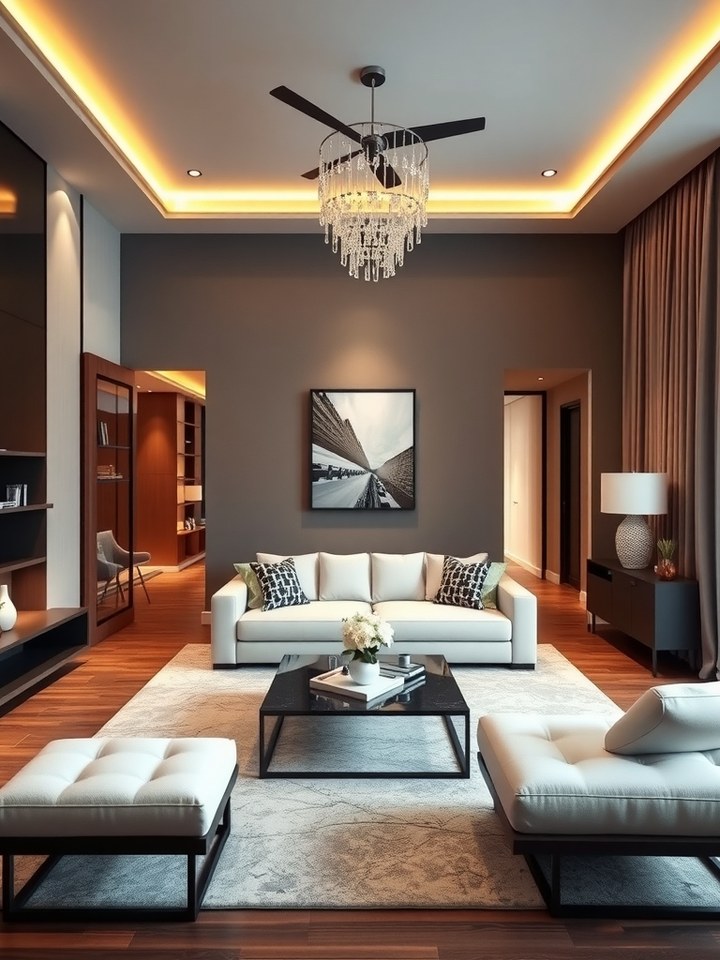
While a three‑to‑four‑month window is realistic, several strategies can accelerate the timeline. The key is proactive decision‑making and clear communication between you and the design team.
1. Finalise Decisions Early
Delay in selecting paint colours, fabric swatches, or hardware finishes can stall procurement. Keep a shortlist ready and use digital mood boards to visualise options quickly. When you’re decisive, our suppliers can lock in production slots sooner.
For example, choosing a standard tile size that’s readily available in Pune can cut delivery time by up to 7 days compared to a custom‑cut design.
2. Opt for Ready‑Made Modular Solutions
Modular kitchens and wardrobes that are pre‑engineered for Indian dimensions can be fabricated and installed faster than fully custom pieces. They still offer flexibility for personalisation—such as adding spice racks or a pull‑out pantry—while reducing lead time.
Many Pune homeowners prefer this approach because it balances aesthetic control with speed, especially when the project budget is tight.
3. Consolidate Suppliers
Working with a single vendor for multiple items (tiles, sanitaryware, lighting) simplifies logistics and often earns you bulk‑order discounts. Our network includes suppliers who can provide a complete suite of finishes, ensuring that deliveries arrive together rather than in staggered shipments.
This consolidation reduces the chance of waiting for a missing component, which is a common cause of delays in Indian residential projects.
4. Schedule Work During Off‑Peak Seasons
Construction activity spikes during the monsoon months, leading to longer lead times for materials and labor shortages. Planning your interior revamp in the cooler, dry months (December to May) can help you stay on schedule.
Additionally, contractors are more likely to allocate skilled workers to your project when the overall demand is lower.
Ready to see how your dream home fits into your budget? Use our quick estimator to get a realistic cost range before you start. It only takes a minute and helps you plan the timeline more accurately. Click here: interior design budget calculator“>Budget Calculator.
Final Thoughts: Patience Pays Off, But Smart Planning Saves Time
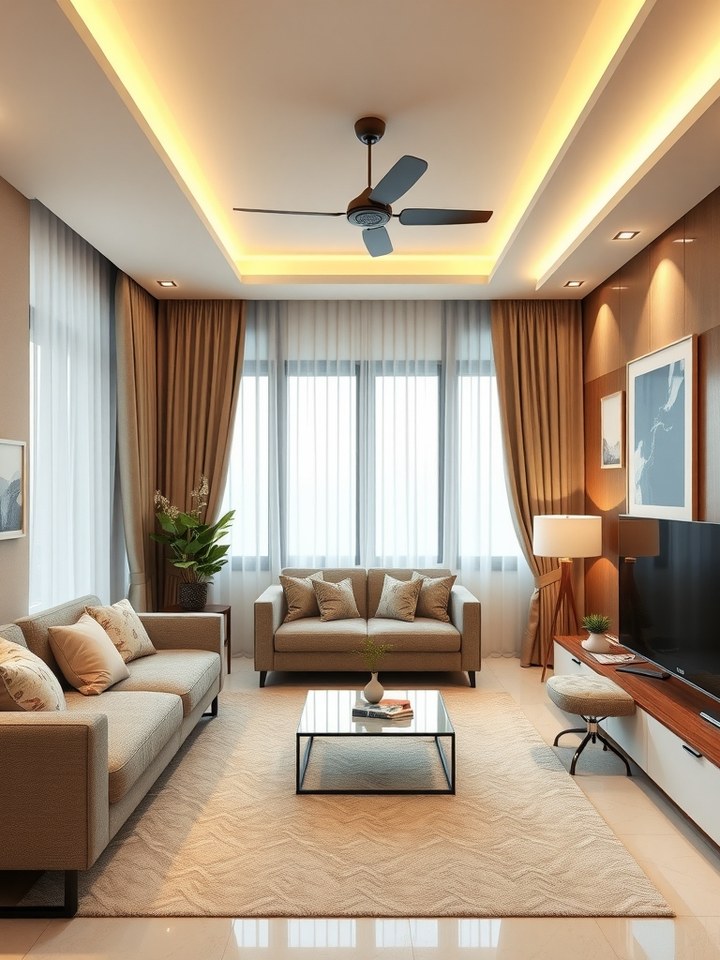
Designing a full home interior is a collaborative journey that blends creativity with logistics. While three to four months is a typical timeframe for a thorough, high‑quality transformation in Pune, you can shorten it by making informed choices early, leveraging modular solutions, and partnering with a reliable project manager.
At Design Within, we specialise in turning Indian homes into functional, beautiful spaces without unnecessary delays. Contact us today to start the conversation and experience a seamless interior design process.