Introduction to Veneer and Laminate

In the context of Indian homes, the debate between veneer and laminate has been ongoing. Both materials have their own set of advantages and disadvantages. Veneer is a thin layer of wood glued to a substrate, whereas laminate is a synthetic material made from layers of paper and resin. When it comes to choosing between the two, Indian homeowners often find themselves in a dilemma.
Veneer is known for its natural look and feel, which can add a touch of elegance to any room. On the other hand, laminate is more affordable and easier to maintain. In Indian homes, where the climate can be harsh and the kitchen is often the hub of activity, laminate seems like a practical choice. However, veneer can be more durable and resistant to scratches and fading.
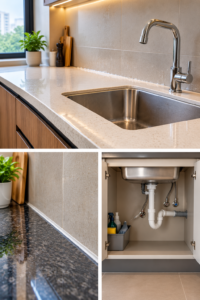
In a typical 2BHK or 3BHK layout, the choice between veneer and laminate can greatly impact the overall aesthetic. For instance, a modular kitchen with veneer finish can add a touch of sophistication, while a laminate finish can provide a more budget-friendly option. Ultimately, the choice between veneer and laminate depends on the individual’s priorities and preferences.
Advantages of Veneer
Veneer has several advantages that make it a popular choice among Indian homeowners. For one, it is more durable and resistant to scratches and fading. Veneer is also less prone to water damage, which is a common concern in Indian kitchens. Additionally, veneer can be stained or painted to match any color or design, making it a versatile option for homeowners.
In Indian homes, where the kitchen is often the hub of activity, veneer can be a practical choice. A veneer finish can withstand the heat and moisture of the kitchen, while also providing a stylish and modern look. Furthermore, veneer can be used to create intricate designs and patterns, which can add a touch of elegance to any room.
However, veneer can be more expensive than laminate, which may be a deterrent for some homeowners. Nevertheless, the benefits of veneer far outweigh the costs, making it a worthwhile investment for those who value durability and style. For example, a veneer finish can last for decades with proper maintenance, while a laminate finish may need to be replaced every few years.
Disadvantages of Laminate
Laminate, on the other hand, has several disadvantages that make it less desirable than veneer. For one, it is more prone to scratches and fading, which can affect its appearance over time. Laminate is also less durable than veneer and can be damaged by water or heat. Additionally, laminate can be difficult to repair, which can be a hassle for homeowners.
In Indian homes, where the climate can be harsh, laminate may not be the best choice. The heat and humidity can cause laminate to warp or crack, which can lead to costly repairs. Furthermore, laminate can be less resistant to Indian cooking habits, which often involve high heat and moisture. For instance, a laminate finish in the kitchen may not be able to withstand the heat from a gas stove or the moisture from cooking.
However, laminate can be a more affordable option for homeowners who are on a budget. It is also easier to install and maintain than veneer, which can be a plus for those who value convenience. Nevertheless, the disadvantages of laminate outweigh its advantages, making veneer a better choice for Indian homeowners who value durability and style.
Before we dive into the conclusion, we would like to remind our readers to estimate their project budget using our <a href=’interior design budget calculator‘>budget calculator. This will give them a better idea of the costs involved and help them make an informed decision.
Conclusion
In conclusion, veneer is indeed a better option than laminate for Indian homes. Its durability, resistance to scratches and fading, and versatility make it a popular choice among homeowners. While laminate may be more affordable, its disadvantages outweigh its advantages, making veneer a worthwhile investment for those who value style and durability.
Ultimately, the choice between veneer and laminate depends on the individual’s priorities and preferences. However, for Indian homeowners who value durability and style, veneer is the clear winner. With its natural look and feel, veneer can add a touch of elegance to any room, making it a popular choice for homeowners who want to create a stylish and modern space.
In a typical Indian home, where the kitchen is often the hub of activity, veneer can be a practical choice. A veneer finish can withstand the heat and moisture of the kitchen, while also providing a stylish and modern look. Additionally, veneer can be used to create intricate designs and patterns, which can add a touch of elegance to any room.