Introduction to Reclaimed Teak Furniture
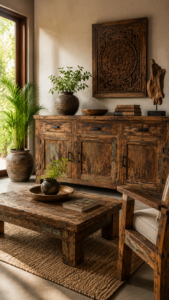
Reclaimed teak furniture is crafted from timber salvaged from old buildings, boats, bridges, and other wooden structures that have reached the end of their original purpose. Instead of allowing this valuable hardwood to go to waste, skilled craftsmen restore and transform it into premium furniture with exceptional character. Every piece showcases unique grain patterns, weathered textures, and rich natural tones that cannot be replicated by newly harvested wood.
Choosing reclaimed teak is also an environmentally responsible decision. Reusing existing timber reduces landfill waste, lowers the demand for freshly cut trees, and helps conserve natural forests. While the price varies depending on the quality of the wood, craftsmanship, and design complexity, reclaimed pieces are not always cheaper than new solid teak furniture. Some are affordable, whereas others command premium prices because of their rarity and the extensive restoration process. Before investing, homeowners should consider sustainability, durability, aesthetics, and overall value.
Why Reclaimed Teak Is Worth Choosing
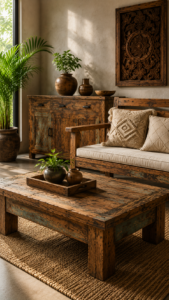
One of the biggest advantages of reclaimed teak is its distinctive appearance. Unlike mass-produced furniture, every piece carries a story through its aged grain, natural imperfections, and beautifully weathered patina. These characteristics add warmth, authenticity, and timeless charm to both traditional and contemporary interiors.
Another major benefit is durability. Teak is naturally rich in oils that make it resistant to termites, moisture, decay, and everyday wear. This makes reclaimed timber an excellent choice for Indian homes, where changing weather conditions demand furniture that can withstand humidity and temperature fluctuations.
Opting for reclaimed wood furniture is also an environmentally conscious decision. Reusing premium hardwood reduces the need for newly harvested timber, minimizes waste, and lowers the overall environmental impact of furniture production. It is a practical way to create sustainable interiors without compromising on style or quality.
From a design perspective, reclaimed teak blends effortlessly with various interior styles, including minimalist, modern, rustic, industrial, Scandinavian, and traditional Indian homes. Many handcrafted pieces feature intricate detailing and artisanal craftsmanship, making them unique focal points within a space.
Maintenance is equally simple. Regular dusting, occasional polishing, and protecting the surface from excessive moisture are usually sufficient to preserve its beauty for decades. Although pricing differs according to wood quality, craftsmanship, and design, reclaimed teak offers exceptional long-term value due to its longevity and timeless appeal.
How to Use Reclaimed Teak in Indian Homes
Reclaimed teak can be incorporated throughout an Indian home to create interiors that feel warm, elegant, and inviting. Whether you own a compact apartment or a spacious villa, this versatile material works beautifully in almost every room.
In the living room, a reclaimed teak coffee table, TV unit, console table, or bookshelf becomes a striking focal point while adding natural warmth. Dining spaces benefit from handcrafted dining tables paired with matching benches or wooden chairs, creating an inviting setting for family gatherings.
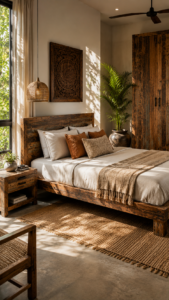
Bedrooms can feature reclaimed teak beds, bedside tables, wardrobes, and dressers that combine durability with timeless elegance. The natural texture of aged timber creates a relaxing atmosphere while complementing neutral colour palettes.
In kitchens, reclaimed teak is ideal for breakfast counters, open shelving, storage cabinets, and kitchen islands. It pairs exceptionally well with modern materials such as quartz countertops, steel, glass, and matte finishes, resulting in interiors that balance contemporary design with natural warmth.
Accessories made from reclaimed timber—including mirrors, wall panels, benches, floating shelves, and decorative accents—can also introduce character without overwhelming the space.
When designing with reclaimed wood, consider the overall interior theme. Neutral colours, stone, natural fabrics, metal accents, and indoor plants complement the warm tones of teak beautifully, creating a balanced and harmonious living environment.
If you’re planning to furnish or renovate your home, it’s wise to estimate your overall interior budget before investing in premium materials. Use our interior design budget calculator to understand the expected project cost and make informed decisions before purchasing furniture.
Conclusion
Reclaimed teak furniture offers an ideal combination of sustainability, durability, craftsmanship, and timeless beauty. Although premium-quality pieces may cost more than standard furniture, their exceptional lifespan, distinctive appearance, and environmental benefits make them a worthwhile investment for homeowners seeking quality that lasts for generations.
Whether you’re furnishing a single room or designing an entire home, reclaimed teak blends seamlessly with modern, contemporary, rustic, and traditional interiors. Its unique grain patterns and natural character ensure that no two pieces are exactly alike.
At Design Within, we help homeowners thoughtfully integrate reclaimed teak furniture into beautifully designed interiors that suit their lifestyle, aesthetic preferences, and budget. Our experienced interior designers create personalised spaces where premium materials, practical functionality, and timeless design come together perfectly.