Introduction to Staircase Design
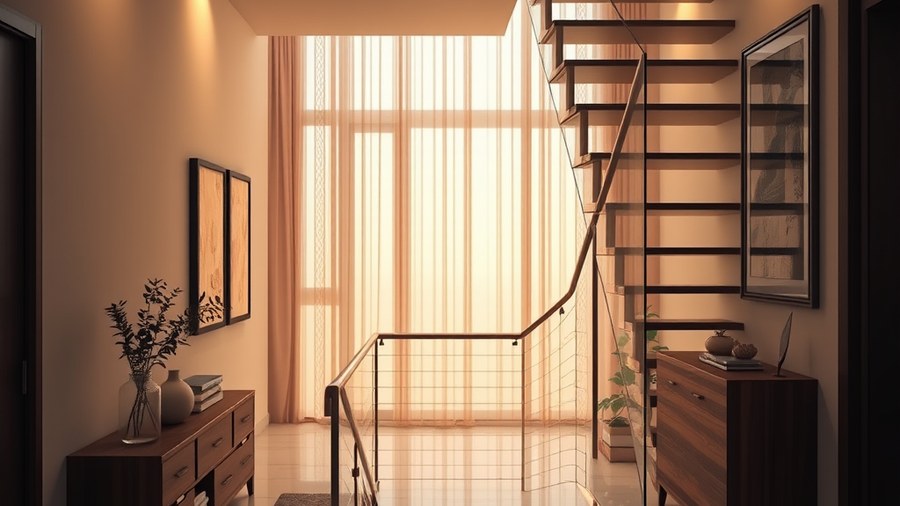
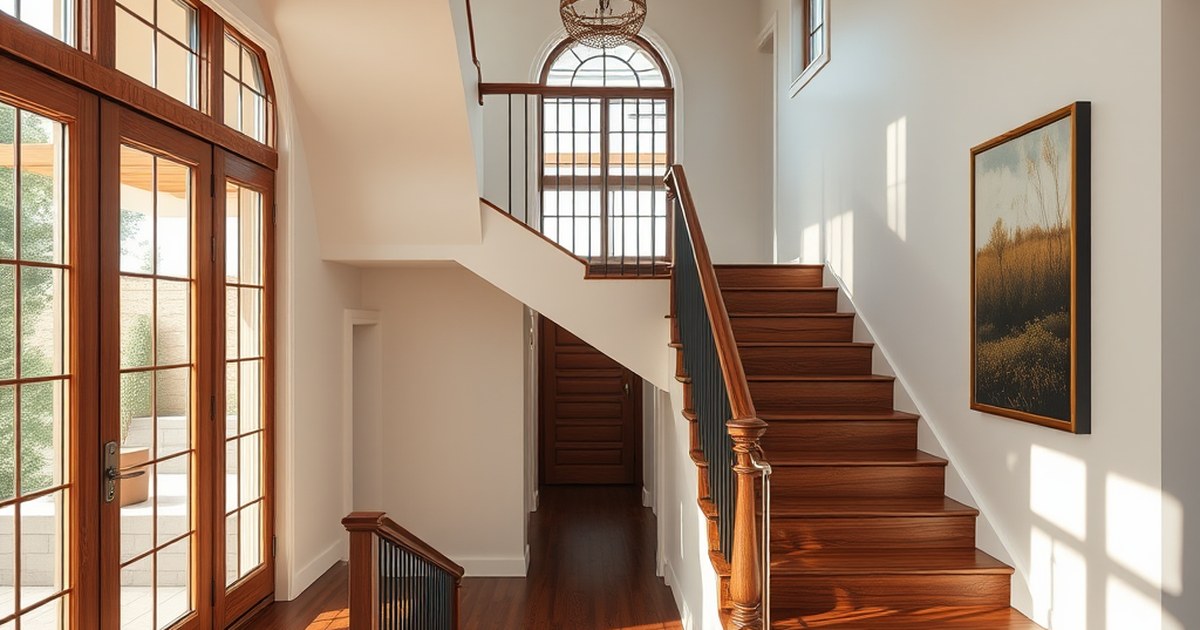
When it comes to designing your dream home, every detail matters, including the staircase. A well-designed staircase can elevate the aesthetic of your entire house, while a poorly designed one can be an eyesore. In Indian homes, where space is often a constraint, the staircase can be a challenge to design. For instance, in a penthouse, duplex or bungalow, the staircase is often a focal point in the living area.
In such cases, the material used for the staircase becomes crucial. Two popular options for staircase design are engineered and solid hardwood. Both have their advantages and disadvantages, which we will explore in this blog post. By the end of this article, you will be able to make an informed decision about which type of wood to use for your staircase.
At Design Within, our team of expert interior designers has worked with numerous clients in Pune to create stunning staircases that are both functional and visually appealing. We understand the importance of choosing the right material for your staircase, and we are here to guide you through the process.
Engineered Hardwood: A Cost-Effective Option
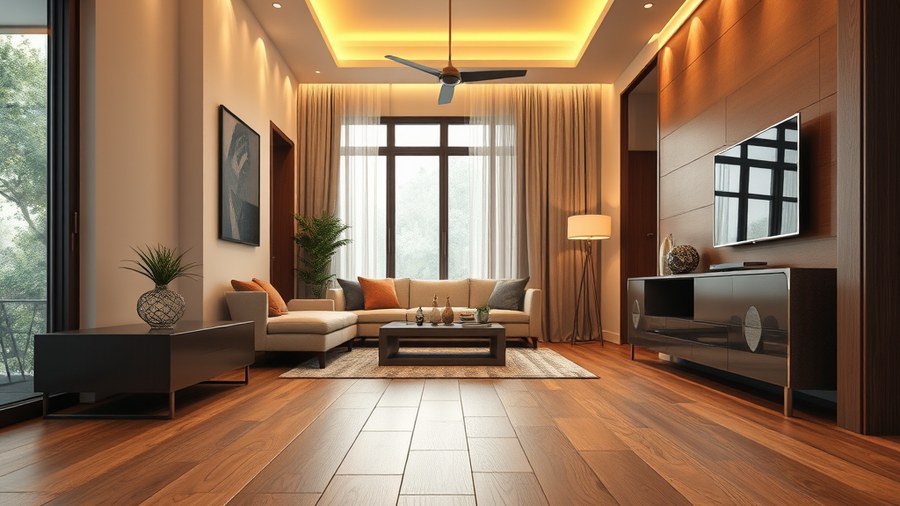
Engineered hardwood is a cost-effective option for staircase design. It is made by layering wood fibers in different directions, which makes it less prone to shrinkage and expansion. This means that engineered hardwood is less likely to warp or crack over time, making it a great option for Indian homes where the climate can be harsh.
Another advantage of engineered hardwood is that it is more affordable than solid hardwood. This makes it a great option for homeowners who want a high-quality staircase without breaking the bank. Additionally, engineered hardwood is available in a wide range of styles and finishes, making it easy to find a match for your existing decor.
However, engineered hardwood may not be as durable as solid hardwood, and it can be more prone to scratches and dents. Nevertheless, with proper maintenance and care, an engineered hardwood staircase can last for many years and provide a beautiful and functional focal point in your home.
Benefits of Engineered Hardwood
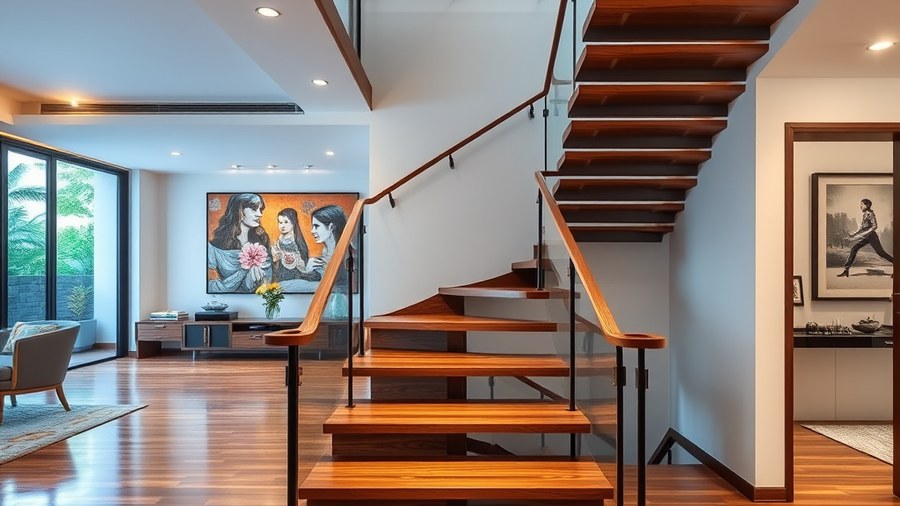
One of the biggest benefits of engineered hardwood is its stability. Because it is made by layering wood fibers in different directions, it is less prone to shrinkage and expansion. This means that it can withstand changes in temperature and humidity, making it a great option for Indian homes where the climate can be extreme.
Another benefit of engineered hardwood is its affordability. It is generally less expensive than solid hardwood, making it a great option for homeowners who want a high-quality staircase without breaking the bank. Additionally, engineered hardwood is available in a wide range of styles and finishes, making it easy to find a match for your existing decor.
Overall, engineered hardwood is a great option for homeowners who want a high-quality staircase without the high price tag. With its stability, affordability, and wide range of styles and finishes, it is a popular choice for many Indian homeowners.
Before we dive into the details of solid hardwood, let’s take a moment to discuss your project budget. Estimating your budget is a crucial step in the design process, as it will help you make informed decisions about the materials and design elements you choose. To get an estimate of your project budget, visit interior design budget calculator and get started today.
Solid Hardwood: A Durable and Timeless Option
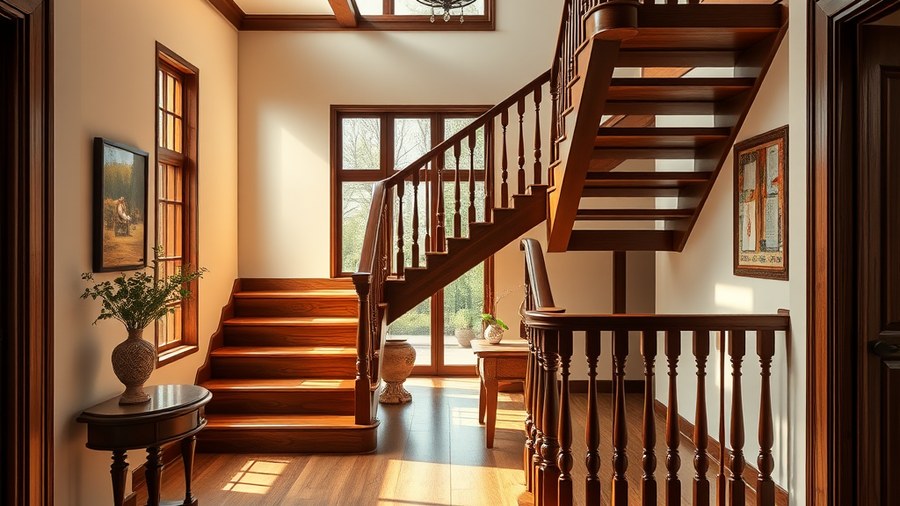
Solid hardwood is a durable and timeless option for staircase design. It is made from a single piece of wood, which makes it more prone to shrinkage and expansion. However, with proper maintenance and care, a solid hardwood staircase can last for generations and provide a beautiful and functional focal point in your home.
One of the biggest advantages of solid hardwood is its durability. It is more resistant to scratches and dents than engineered hardwood, and it can withstand heavy foot traffic. Additionally, solid hardwood is available in a wide range of styles and finishes, making it easy to find a match for your existing decor.
However, solid hardwood is generally more expensive than engineered hardwood, and it can be more prone to warping and cracking over time. Nevertheless, with proper maintenance and care, a solid hardwood staircase can be a stunning addition to your home, and it can increase the value of your property.